










Act4Water Water+ Credits
Act4Water Water+ Credits
| Title | Act4Water Water+ Credits |
| Country/Location | Europe: UK and Spain |
| Investment to Date | Undisclosed |
| Revenue Model | Voluntary Credit Mechanism |
| Private Investment/Finance Structure | Corporates purchase water credits to voluntarily compensate their water footprint by funding replenishment projects |
| Public/Philanthropic Investment | Grants for project development |
| Env/Social Impact | Increased water availability, improved water quality and biodiversity uplift |
Summary
Act4Water is a voluntary water conservation initiative that enables companies to reduce and compensate for their water footprint by purchasing Positive Water Credits — representing 1,000m³ of water benefit — from verified water-positive projects. The Act4Water Standard provides a framework to certify projects improving water availability, quality, resilience, or biodiversity. CAPs can be generated by projects like wetlands, water reuse, or pollution reduction, and sold on a marketplace to organisations seeking Water Positive certification. Companies progress through certification levels from Water Committed to Water Positive by measuring and reducing their impacts, as well as investing in positive water conservation efforts.
Act4Water Standard and Positive Water Credits
Act4Water is a collaborative water footprinting and standards initiative which has developed a market mechanism to allow companies to voluntarily offset their water footprint through the financing of water-replenishment activities. The initiative has introduced the Act4Water Standard, which facilitates the compensation of water footprints through the generation of tradable credits. [1] This initiative aims to promote projects that generate positive impacts on water resources and the environment, while supporting local community-led conservation.
Mechanism and Stakeholder Engagement
Act4Water operates a voluntary market for CAPs, connecting organisations aiming to mitigate their water-related impacts with projects delivering improvements for water resources. Companies can acquire CAPs from projects that align with their compensation objectives, providing financial support to ensure the ongoing positive impact of these initiatives. For example, a company that faces water shortages can invest in projects that actively replenish groundwater. The marketplace allows entities that use the Standard to connect with certified projects that directly address their water-related challenges. Through the purchase of CAPs, companies and other organisations can then be certified by Act4Water as officially Water Positive.
Certifications
Act4Water has a series of certification badges that engaged entities can achieve, depending on where they are at in their water sustainability journey.
For projects:
- Water+ recognises and validates projects that generate a positive impact on water resources, enabling them to issue CAPs. In addition to facilitating financial resources, the certification ensures the continuity of the positive impact and regulatory compliance, thereby strengthening the legitimacy and effectiveness of actions in support of water resources.
For entities:
- Water Committed is the initial level of recognition on the path toward sustainable water management. Organisations achieving this certification have assessed their water footprint, developed a concrete reduction plan with clear and measurable targets, and begin implementing actions that demonstrate a tangible commitment to responsible water stewardship.
- Water Active recognises organisations that go beyond reducing their water footprint and actively engage in balancing their impact. It is granted to companies that have participated in a collaborative water replenishment or restoration project.
- Water Positive is the highest level of certification, reserved for organisations that fully address their water footprint and/or generate a net positive impact. To achieve this distinction, a company must demonstrate that it has completely compensated for its direct water footprint through one or more verified replenishment or restoration projects. This involves a deep and sustained commitment to sustainability through investments in water resource restoration and conservation projects that ensure a positive water balance.
For activities:
- Water Neutral can describe a company, a product, a site or even events such as conferences which has reduced its water footprint and compensated for any residual impact.
Types of Eligible Projects
A saving in an entity’s water footprint or an improvement that can be eligible to generate CAPs can be established when one of the following occurs:
- Reduction in the volume of freshwater used for a specific purpose, making it available in the watershed
- Improvement in the quality of water discharged into the receiving environment
- Improvement in the quality of the water body
The Act4Water Standard recognises various types of projects eligible for generating CAPs, including:
- Water Efficiency: Actions that increase the availability of water resources in a basin.
- Water Resilience: Initiatives that enhance a region’s resilience to the effects of climate change.
- Water Quality: Projects that improve water quality in aquatic or terrestrial environments within a basin.
- Ecosystems and Biodiversity: Efforts that promote the improvement or preservation of ecosystems and biodiversity.
- Water Reuse and Circularity: Activities that enable the wastewater reclamation for various applications or wastewater resources recovery, reducing the extraction of resources from the environment.
Example Transaction
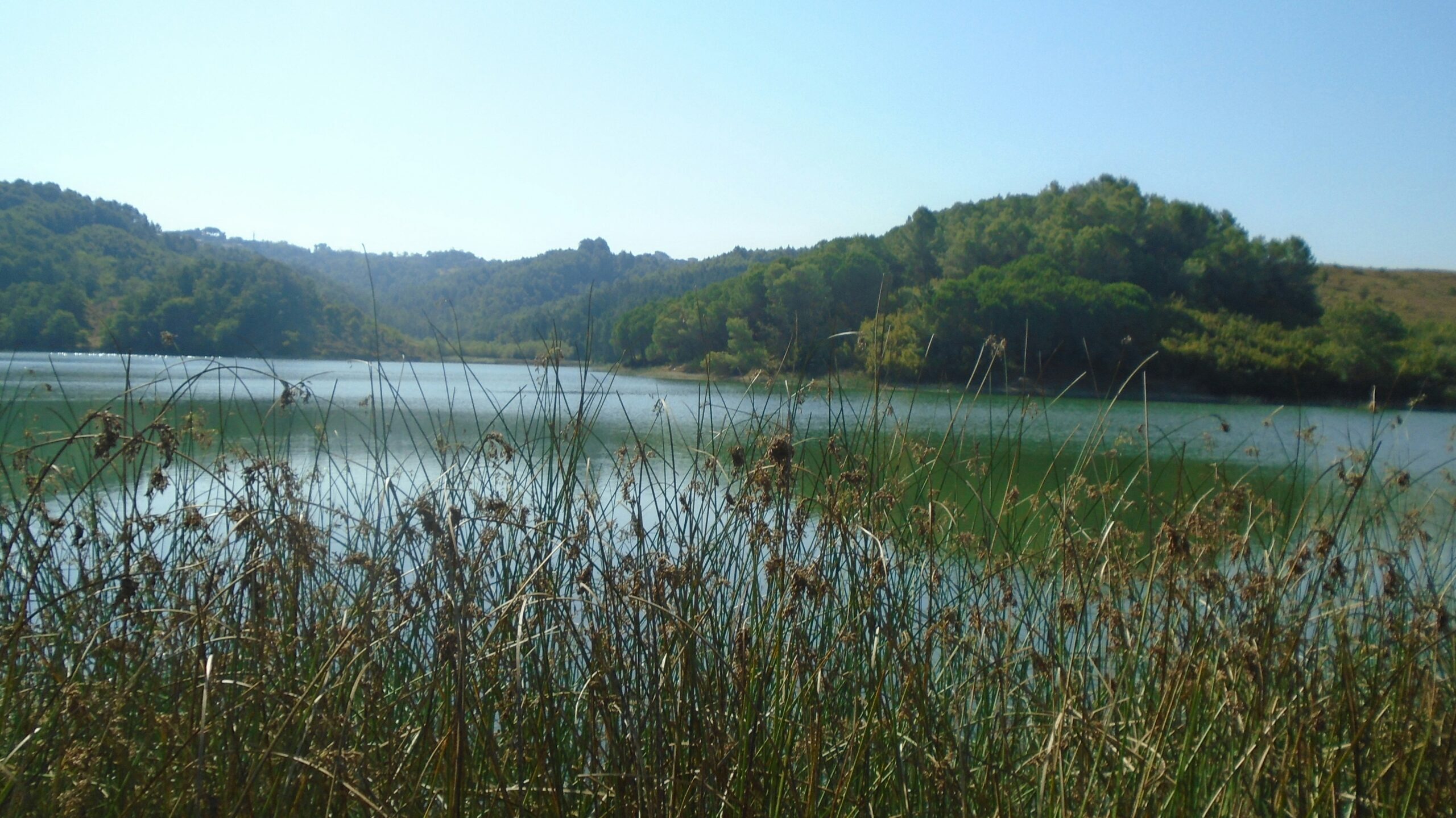
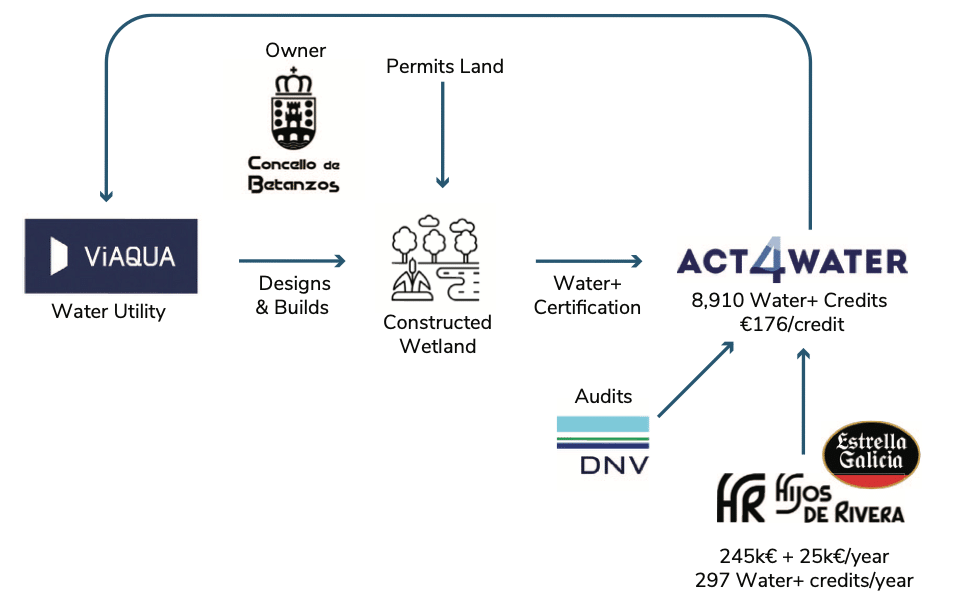
An illustrative example of the Act4Water Standard and marketplace in practice comes from the Galicia region of Spain, where Hijos de Rivera, a beverage company and the producer of Estrella Galicia beer, owns a brewery and bottling factory and is highly dependent on local water resources for its operations. The company worked with Veolia under the Act4Water Standard to assess its water footprint and identify potential projects to invest in that would improve water resources in their sourcing region. The local water utility, Viaqua, in collaboration with the City Council was at the same time developing plans for a constructed wetland to improve water retention and quality to prevent further pollution problems at the local water reservoir. Act4Water worked with them to validate the CAPs that would be generated by the wetland and certify the project. The project was estimated to generate 8,910 CAPs over its 30-year lifespan, an estimate that was then verified by DNV. Hijos de Rivera provided the upfront funding for the project as well as a commitment to ongoing maintenance funding, in exchange for 297 CAPs per year. The upfront investment of EUR 245,000 allowed the project to move forward while the Act4Water Standard and the auditing done by DNV gave credibility to the project and assurance to Hijos de Rivera that they would receive their required CAPs.
Figure VIII: Viaqua – Hijos de Rivera Water Positive Project
Source: Act4Water
Replicability and Scalability
Act4Water’s model demonstrates a scalable approach to water footprint assessment and balancing that can be adapted to various contexts. It goes beyond water replenishment, as it is based on the water footprint methodology, thus including water availability but also water quality impacts. This is useful to drive projects that really respond to local needs (water scarcity regions may focus on water availability projects while other regions may need to address water pollution). Fifteen initiatives aimed at preserving and restoring water resources are currently generating CAPs in countries like Spain, the Netherlands, South Africa, Ethiopia, Palestine and Indonesia.
In addition, Act4Water certification marks are currently registered in the EU and UK, and in the process of registering in the US for expansion into the Americas.
Integrating Positive Water Credits into Sustainable Finances
Act4Water is exploring additional use cases for Positive Water Credits beyond corporate water stewardship objectives, including using Water+ certification as a KPI for sustainability linked loans (SLLs). Hidralia, a private water management company secured a SLL from CaixaBank, Banco Sabadell, Unicaja Banco in 2023. The company aimed to reach 81% water network hydraulic efficiency in 2028, based on a 2022 baseline. In doing this, Hidralia was able to generate expected CAPs, calculated using the Standard and verified by DNV. This generation of CAPs was accepted by the banks as a KPI for their loan, giving them higher flexibility and providing the bank with a KPI addressing adaptation to climate-related risks. Act4Water is working with more banks, both in Spain and internationally to promote the use of CAPs and the achievement of a Water+ certification as a way to access sustainable finance.
Importance of Multi-stakeholder Initiatives
Multi-stakeholder initiatives are fundamental for advancing water resilience, particularly when they foster robust public-private collaboration as seen in the Act4water Water+ projects. These initiatives embody a shared responsibility model, where diverse actors—including CAPs generators, CAPs buyers, standard-setters like Act4water, public supporters such as municipalities, engaged local communities, and the financial sector—work together to protect freshwater resources. This collective approach ensures that expertise, resources, and incentives from both public and private spheres are mobilized, enabling the scaling of nature-based solutions and the financing required for impactful water stewardship. By “thinking globally and acting locally,” Act4water’s framework demonstrates that only through coordinated, cross-sectoral action and shared accountability can we achieve meaningful and sustainable outcomes for water security. This model not only addresses immediate local needs but also strengthens the resilience of entire hydrological systems, setting a precedent for responsible, inclusive, and scalable water management.
Updated as of October 2025
[1] Act4Water (2025). Act4Water Standard
Case study from Revenues for Nature Guidebook Series: Nature-based Models for Unlocking Private Investment into Freshwater (Expanded Edition)
