













Compensatory Conservation Scheme Support (C2S2) Network
Compensatory Conservation Schemes Support (C2S2) Network
Overview
Accelerating High-Integrity Biodiversity Compensation Systems Worldwide
The Compensatory Conservation Schemes Support Network (C2S2) is a global initiative designed to support governments in designing, adopting, and implementing high-integrity compensatory conservation mechanisms – such as mitigation banking and biodiversity offsets.
By operationalising these systems effectively, C2S2 aims to align economic development with biodiversity protection and unlock billions of dollars in private investment for ecosystem restoration and conservation.
Why This Matters
Global infrastructure investment – estimated at USD 9 trillion annually – continues to drive biodiversity loss, while financing for nature remains critically insufficient.
Compensatory conservation mechanisms offer a practical, market-based solution. When designed with integrity, they transform environmental compliance into a driver of measurable conservation outcomes.
- The biodiversity compensation market has grown from USD 4.8 billion (2016) to ~USD 6 billion (2024)
- It is projected to reach over USD 30 billion by 2030
Despite this growth, adoption remains uneven due to:
- Fragmented policy frameworks
- Limited institutional capacity
- Inconsistent metrics and monitoring approaches
C2S2 addresses these barriers through coordinated technical assistance, policy support, and capacity-building. C2S2 is designed to address these barriers through coordinated technical assistance, policy support, and capacity building. It brings together the collective expertise of the Environmental Policy Innovation Center, the Green Finance Institute (GFI), Terrasos, UNEP FI, UNDP BIOFIN, and the Wildlife Conservation Society to support governments in developing high-integrity, scalable systems.
Design Components for Compensatory Conservation Schemes
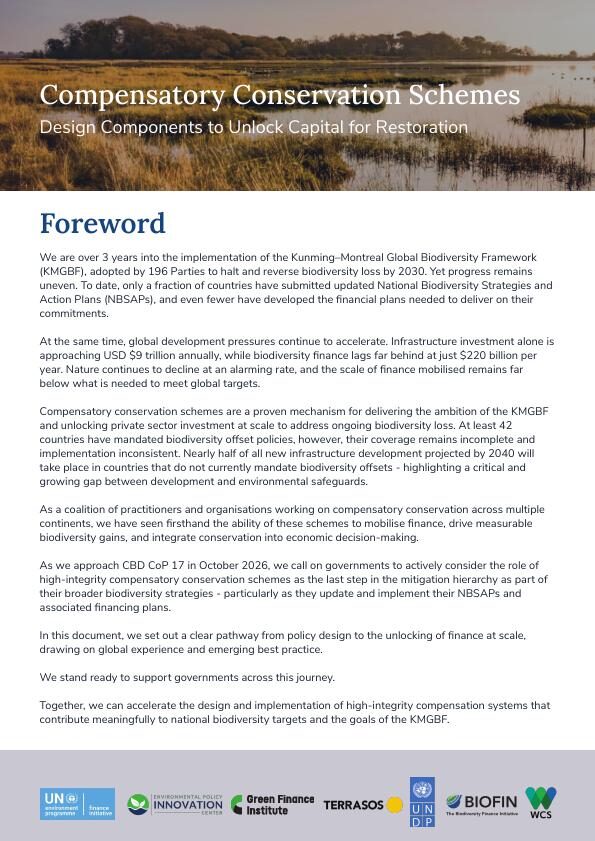
These components outline what is required to design, implement, and optimise compensatory conservation schemes. It is intended to be illustrative and adaptable, recognising that the development of such schemes will vary across jurisdictions and according to ecological, social, and economic contexts.
This framework is primarily targeted at those who have the responsibility or mandate to design, implement and oversee compensatory conservation schemes, such as elected officials, government officials and regulators. This framework is also relevant for other key stakeholders, such as project developers, landowners, institutional investors, corporate buyers, civil society organisations and academia.
Case Studies
This series of case studies provides an overview of a range of compensatory conservation schemes and highlights key design components involved in their development, implementation, and optimization. Drawing on practical country experiences, the case studies are intended to showcase lessons learned and inspire governments and stakeholders considering the development of similar approaches.
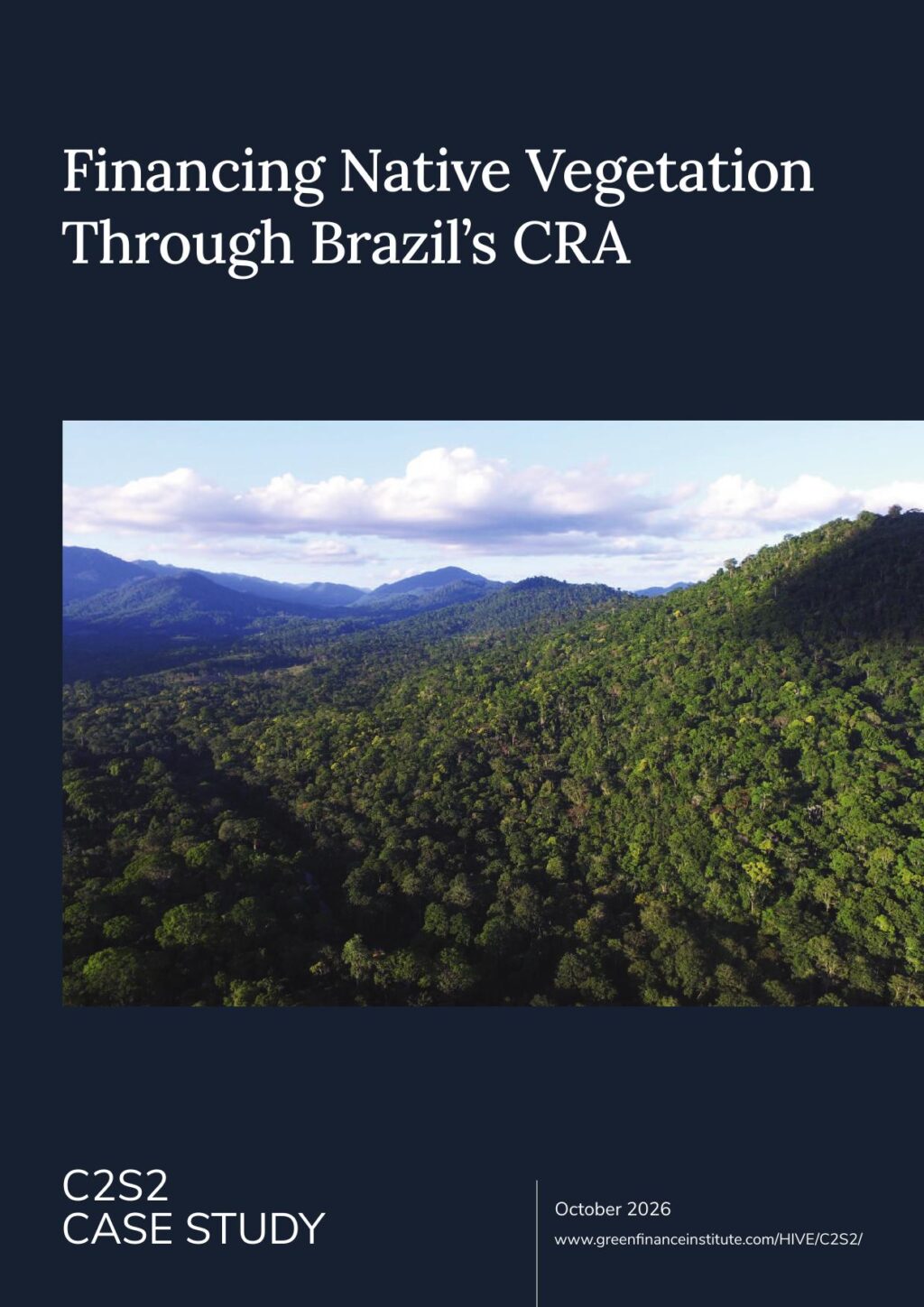
C2S2 Case Study – Brazil
The case study examines Brazil’s Environmental Reserve Quota (CRA), a Forest Code mechanism that allows landowners with eligible Legal Reserve deficits to meet their obligations by acquiring certificates linked to native vegetation conserved or restored on other properties. It explores how Brazil is translating this legal mechanism into an operational system, highlighting the governance, land records, oversight and long-term stewardship needed to make CRA credible in practice.
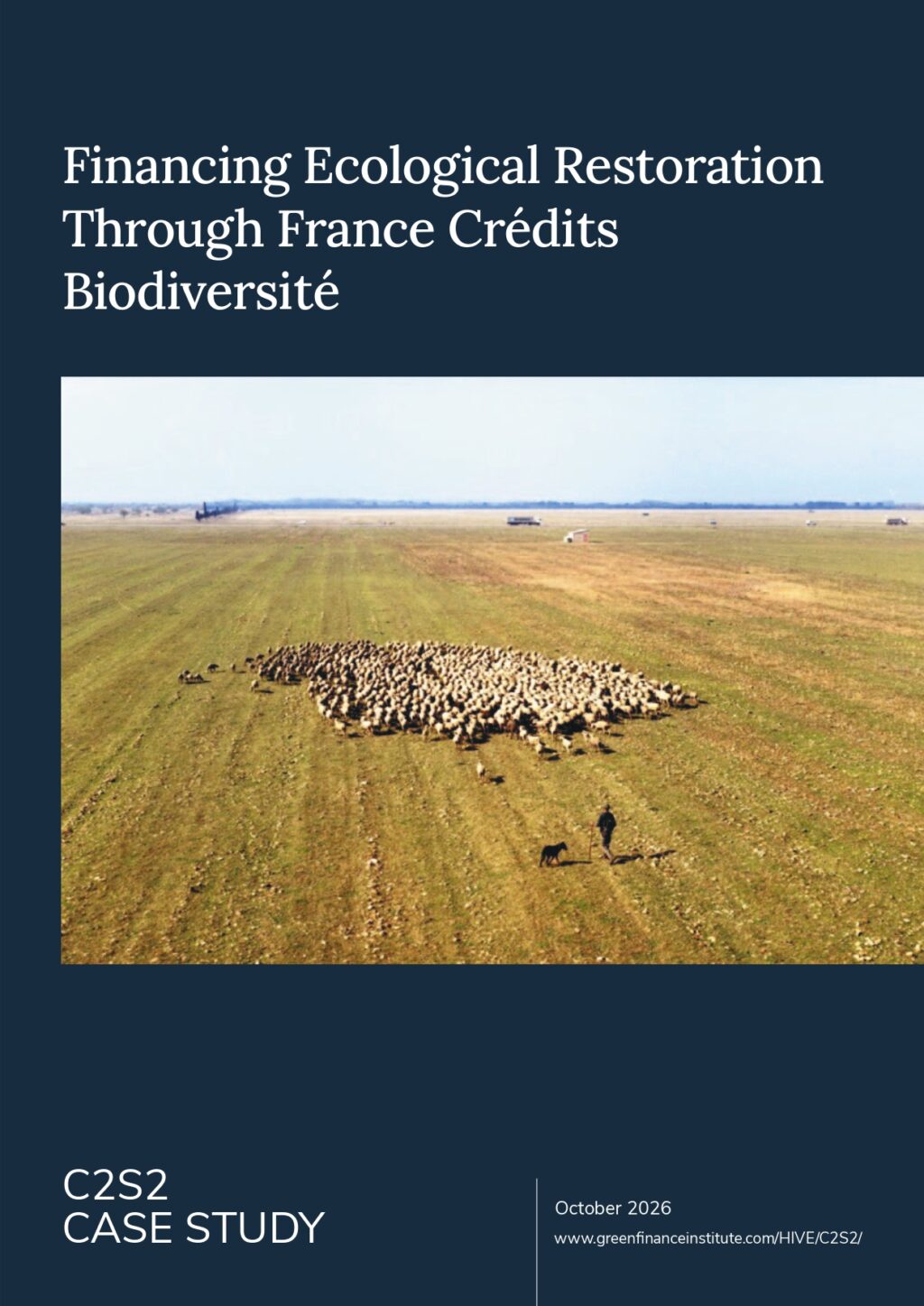
C2S2 Case Study – France
The case study examines France’s biodiversity credit mechanism, which enables ecological restoration to be established in advance and generates units that can support both regulatory biodiversity compensation and voluntary contributions to nature recovery. It explores how France is building the governance and accountability needed to connect upfront restoration with future demand, while ensuring that the sale of units translates into credible, long-term ecological outcomes.
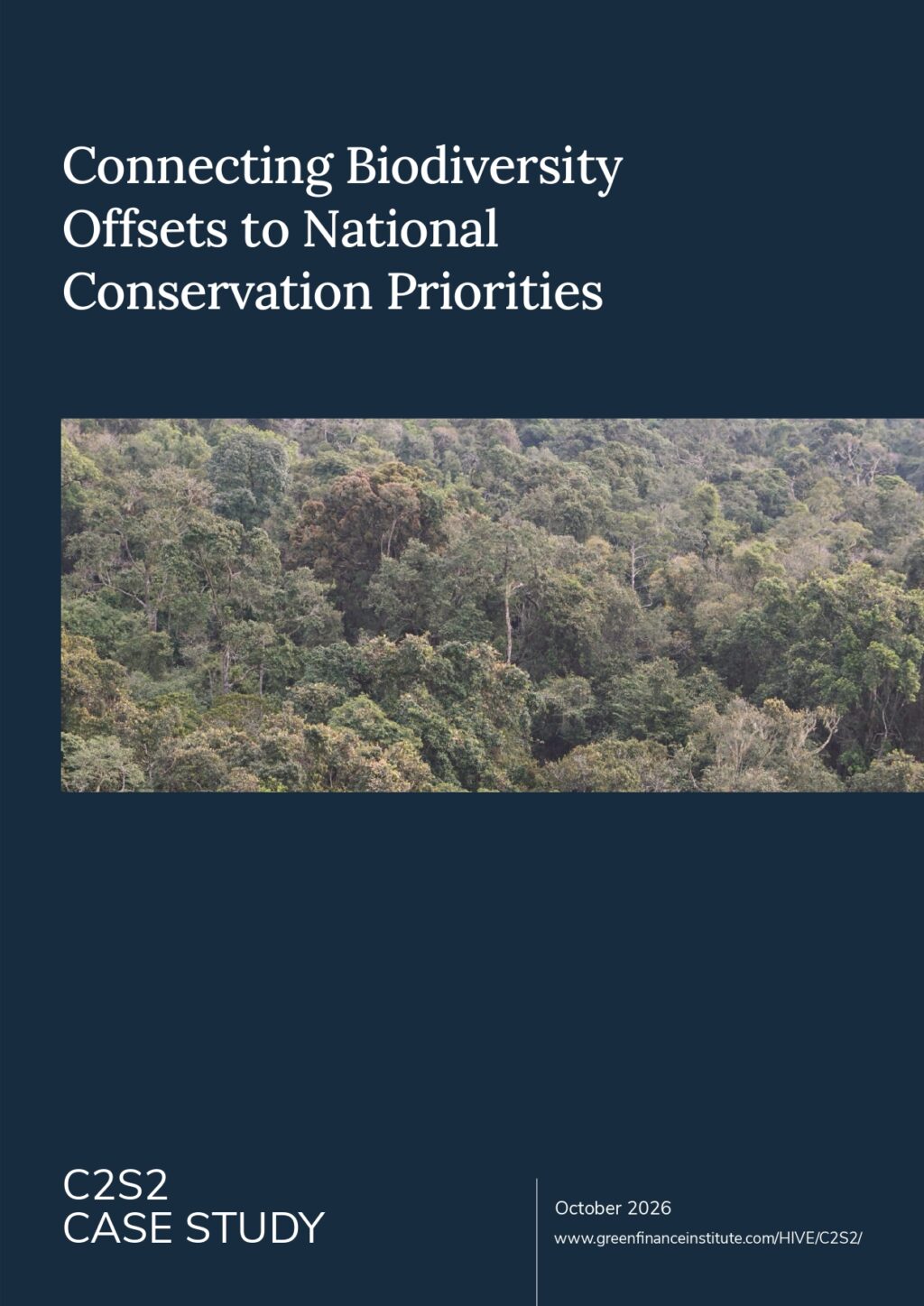
C2S2 Case Study – Mozambique
The case study examines Mozambique’s biodiversity offset system, which uses environmental licensing to require developers to address residual biodiversity impacts while allowing, where appropriate, conservation action to be directed towards priority receiving areas. It explores how Mozambique has moved from policy to implementation, building the rules, institutions, financing arrangements and practical capacity needed to connect project-level obligations with wider national conservation priorities.
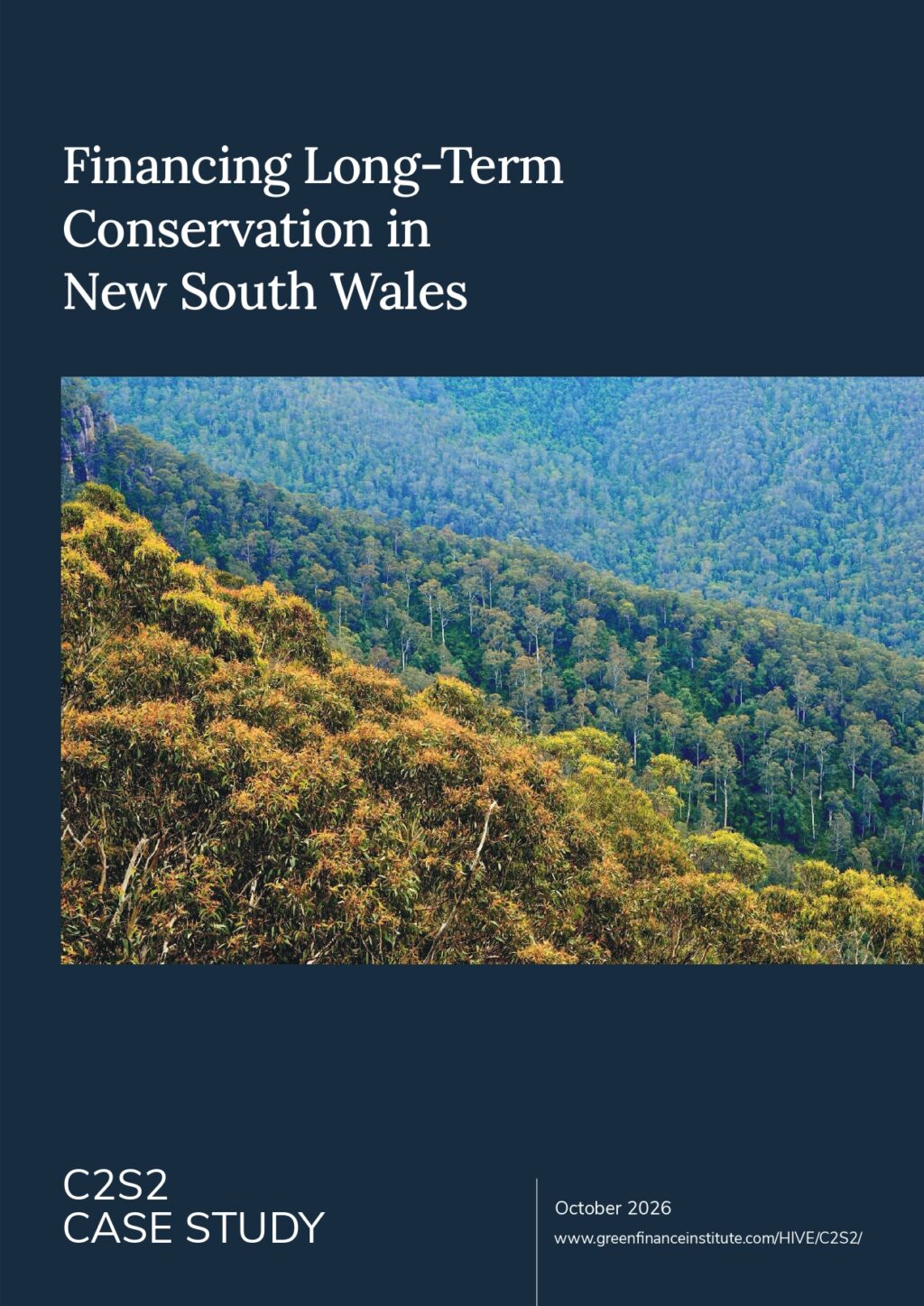
C2S2 Case Study – New South Wales
The case study examines the New South Wales Biodiversity Offsets Scheme (BOS), which connects regulatory demand for biodiversity offsets with conservation delivered by willing landholders. It explores how a common ecological assessment method, permanent stewardship agreements and dedicated resources for long-term management can underpin a credible and durable biodiversity offset market.
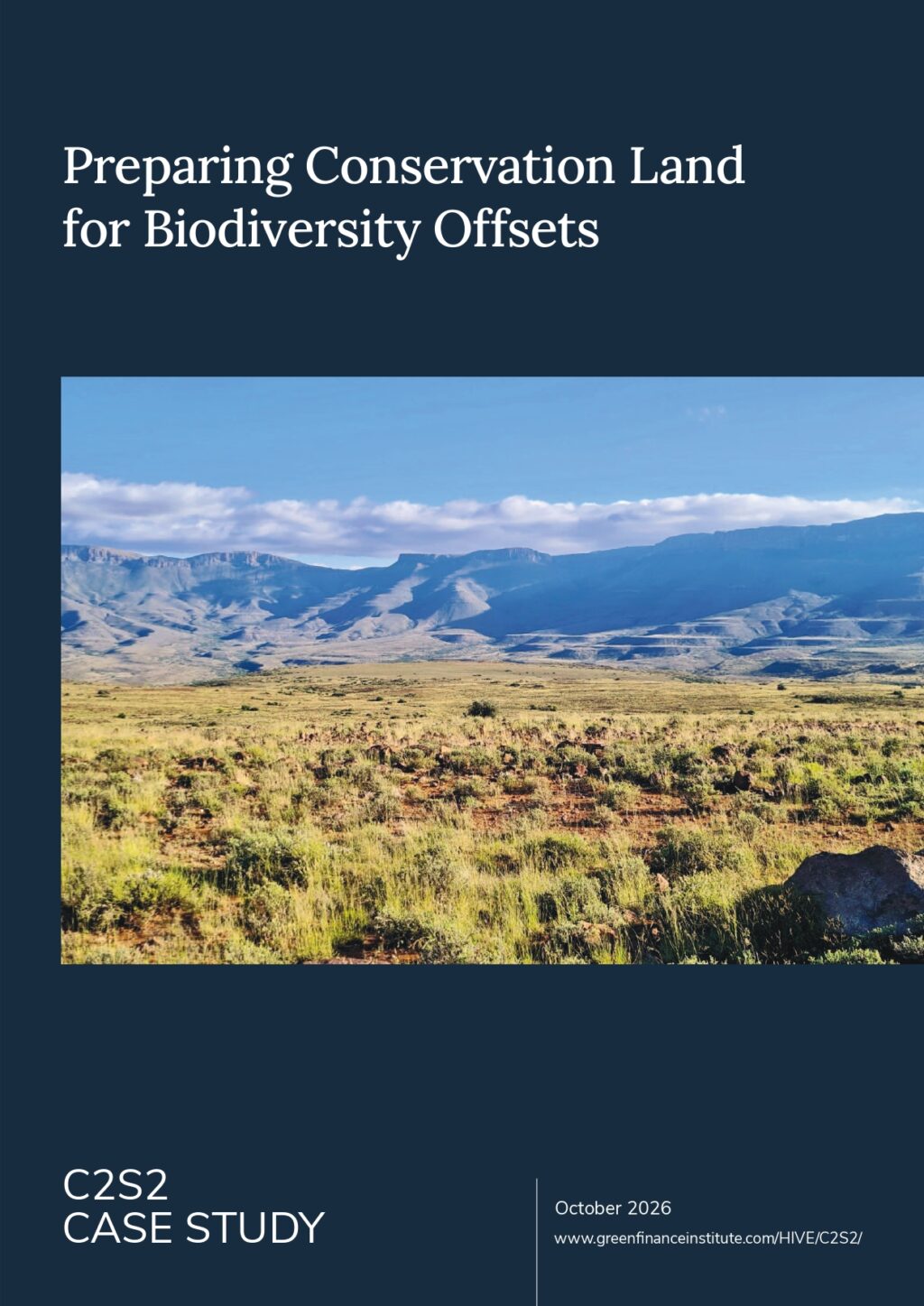
C2S2 Case Study – South Africa
The case study examines the South African National Parks (SANParks) Biodiversity Offset Bank, designed to prepare suitable conservation opportunities in advance for developers with biodiversity offset obligations. It explores how aligning offsets with strategic conservation priorities, land acquisition and long-term management can help overcome delays in securing suitable sites while directing finance towards nationally important conservation areas.
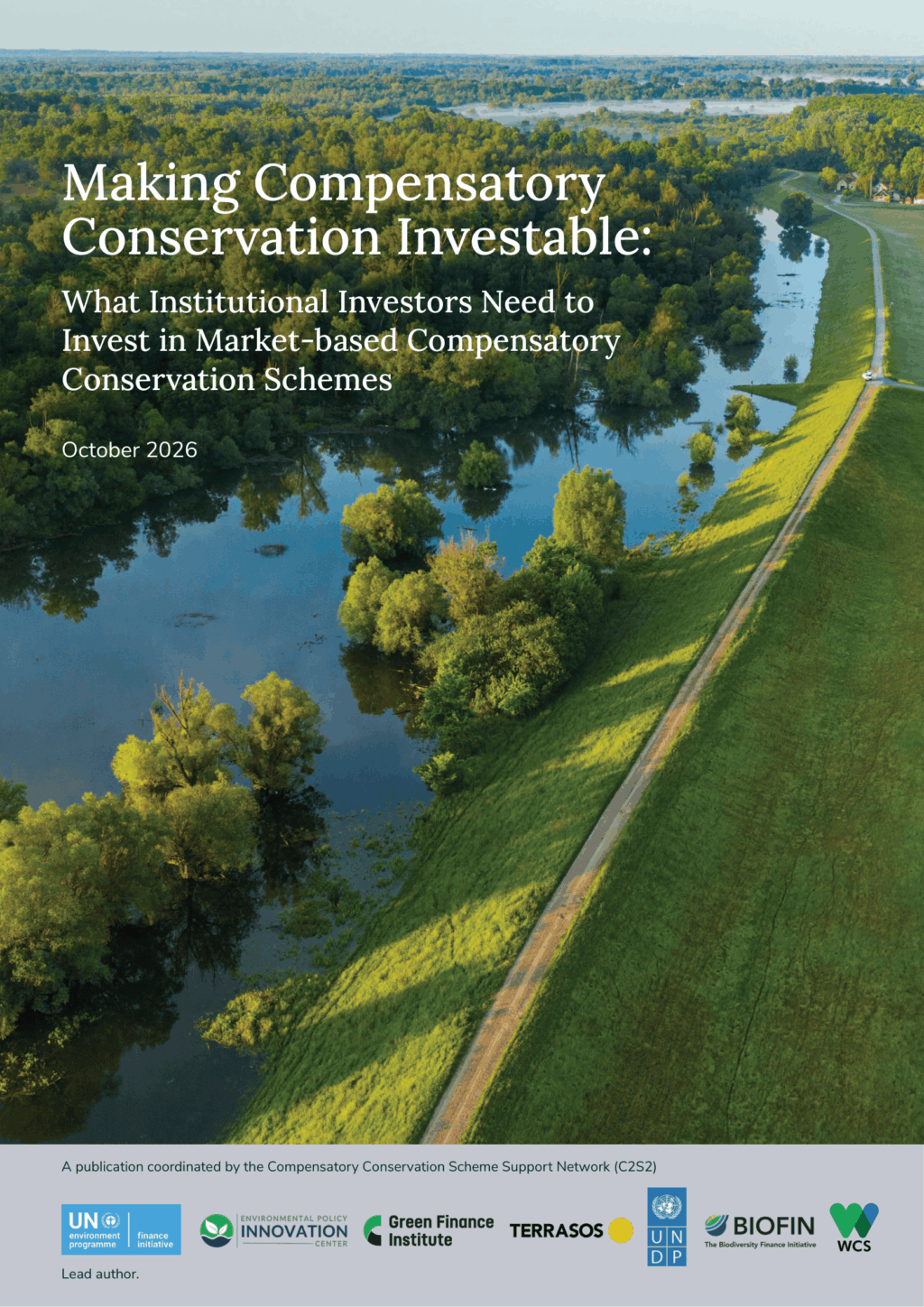
Making Compensatory Conservation Investable
This report examines what institutional investors require before committing capital to these schemes. It is primarily intended for governments, regulators and others responsible for designing and implementing compensatory conservation frameworks. The evidence draws on 26 confirmed investments made between 2010 and 2025 across the United States, England, Denmark, Canada and Colombia, complemented by interviews with investors, project developers, think tanks and international financial institutions.
Introductory Webinar
Useful Resources
The C2S2 Network has compiled a selection of useful resources for countries interested in designing and implementing compensatory conservation schemes.
A roadmap to No Net Loss of Biodiversity: Lessons learnt by the COMBO+ countries
Collates practical lessons in Guinea, Uganda, Mozambique and Madagascar based on applying a government roadmap for developing and implementing mitigation policy to achieve No Net loss of biodiversity at the national level.
Contents to include in Technical Offset Guidelines to Accompany No Net Loss /Net Gain policy
Outlines essential components that national technical guidelines should contain to support the implementation of No Net Loss/Net Gain mitigation policy, covering the mitigation hierarchy, offset design, implementation, documentation, enforcement, and roles of key actors.
Get in Touch
Interested governments and partners are encouraged to connect with the C2S2 Network to explore collaboration opportunities and access support. You can email revenues4nature@gfi.green to stay in touch or register your interest below.
