














Business Case for Nature
Business Case for Nature
Nature and Business Performance: A Board Level Priority
Nature is a critical asset for business – and one that is increasingly under strain. The Earth’s resources are finite; many are now degraded or depleted, placing growing pressure on the resilience of supply chains, operations and long term value creation. The question is no longer whether to act, nor when, but how to respond strategically.
Risk and opportunity are closely linked. While nature loss is rapidly becoming a material risk for business, periods of change and disruption can also be a source of competitive advantage for those that act first. The three Board-level resources below are designed to support strategic discussions on how nature can provide financial opportunities for business. The resources look specifically at how targeted nature-positive action can strengthen resilience and commercial performance in three key areas: managing risk, reducing costs and creating growth through new products and markets. These include a short film featuring His Majesty the King and Sir David Attenborough, short board level guidance outlining the scale of the opportunity, and a suite of business case studies demonstrating where robust action on nature has delivered material and financial benefits for business performance. Boards that act decisively now, stand to gain the most. It is the time to lean in sooner, learn faster and realise value earlier.
These resources have been developed in collaboration between the Council for Sustainable Business, the Green Finance Institute, the Aldersgate Group, the Institute of Sustainability and Environmental Professionals (ISEP) and the UK Department for Environment, Food and Rural Affairs (Defra). The Green Finance Institute, together with WWF-UK and the UK Centre for Ecology and Hydrology (UKCEH), is also working closely with the UK government and businesses to develop sectoral roadmaps – Nature-Positive Transition Pathways – that will identify what the opportunities are, sector by sector, and how policy can be used to unlock them.
Resources for Boardrooms
Case Studies
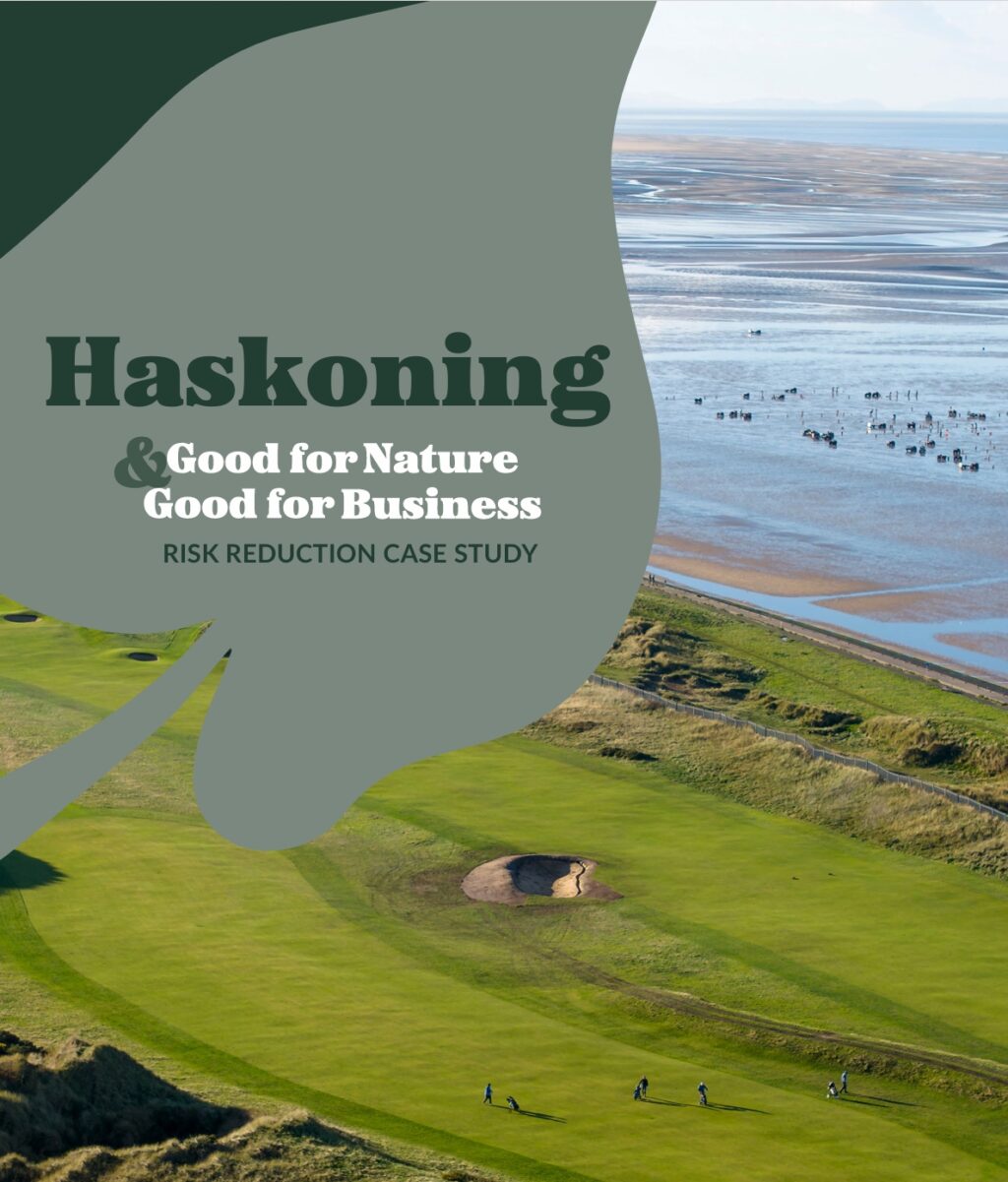
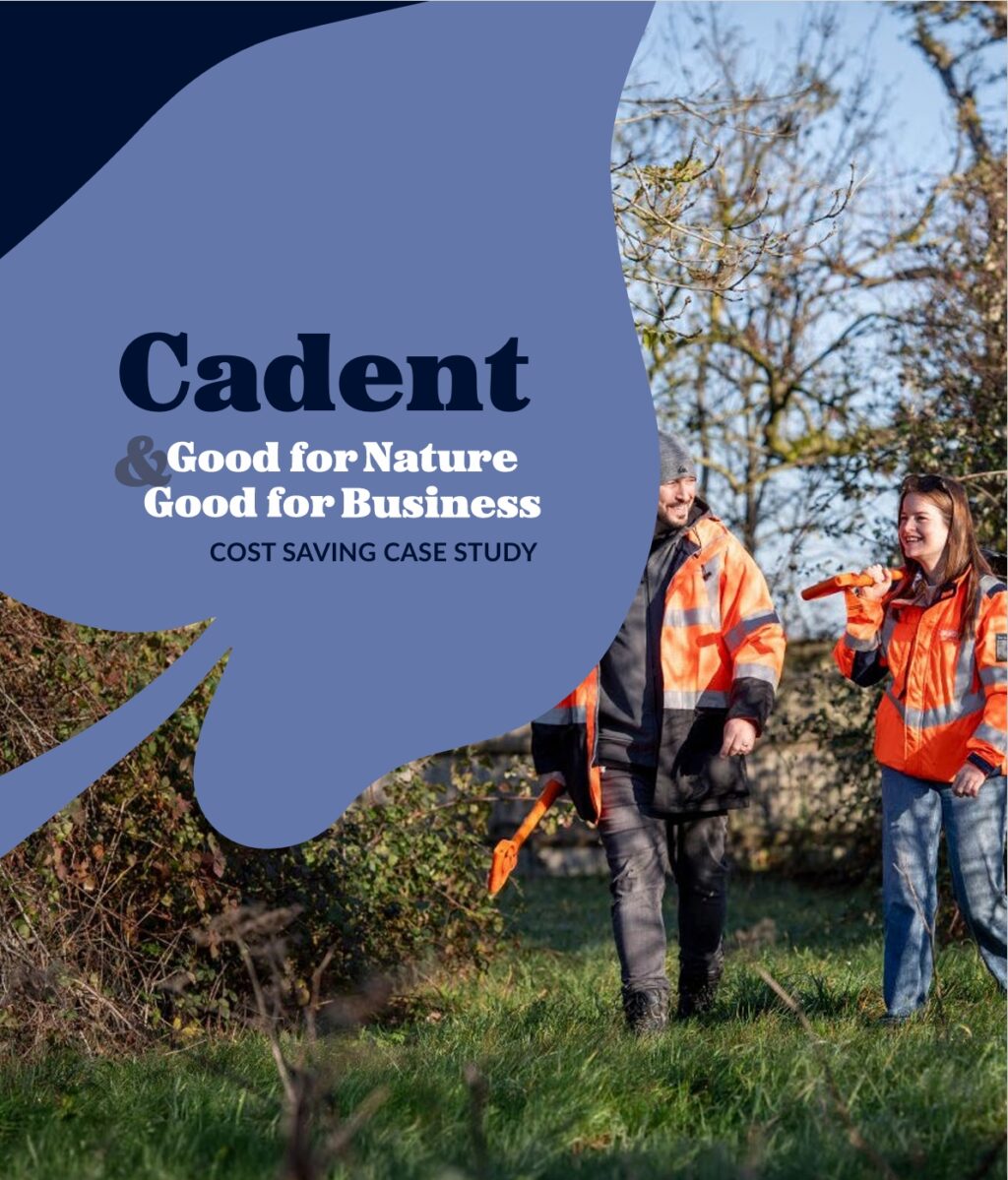
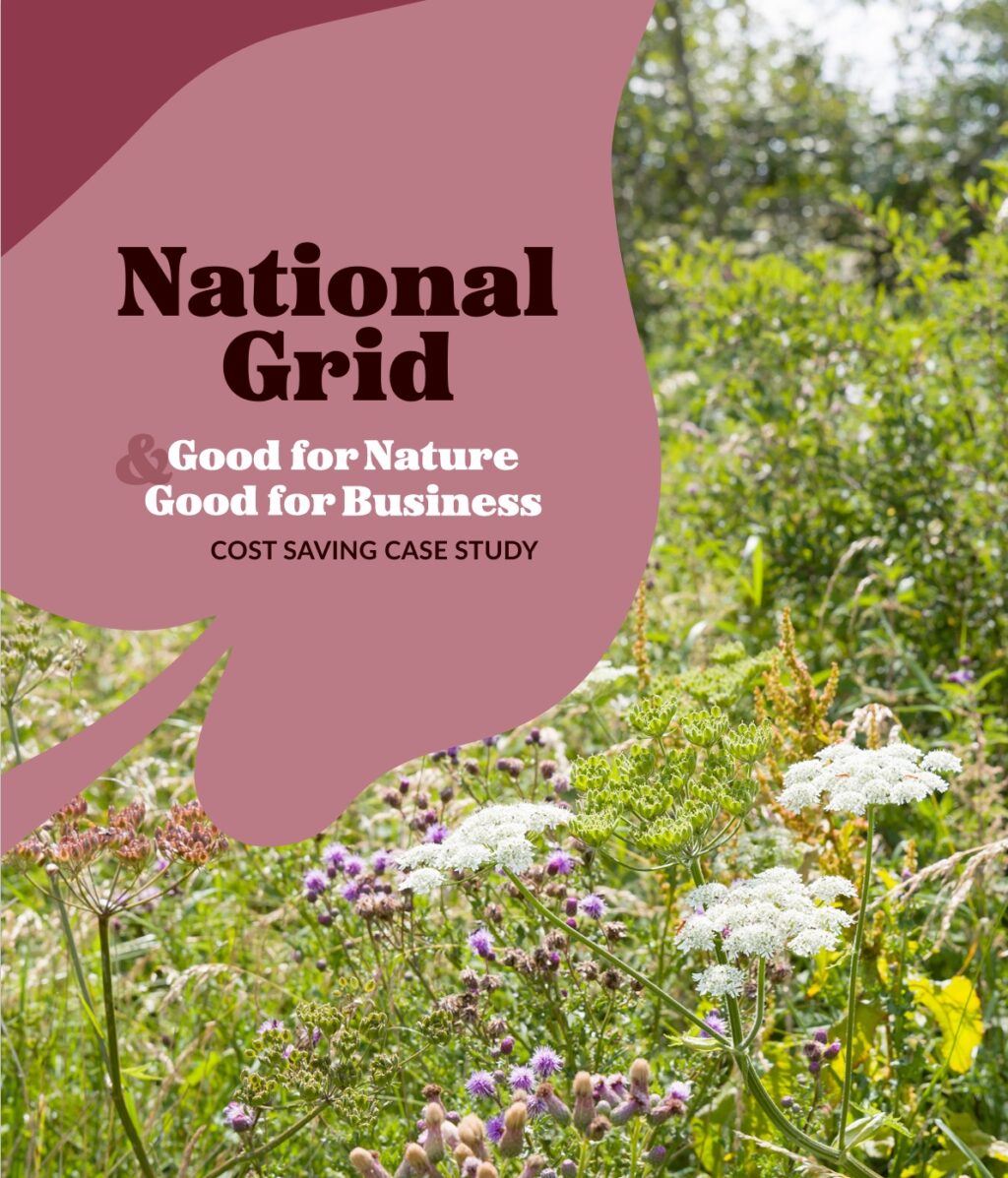
Nature can materially affect business performance. Businesses that protect and restore natural systems can reduce costs, manage risks, and access new revenue opportunities. These case studies form part of an evidence base showing how nature‑positive approaches can deliver material gains for business as well as robust benefits for nature. We all need to improve our impact on nature. Drawn from a range of sectors, these examples are intended to showcase efforts from different organisations, alongside lessons and ideas that others may be able to apply in their own work.
WESTMORLAND
SECTOR: Food Hospitality and Retail
BUSINESS BENEFITS: Cost Saving & Risk Reduction
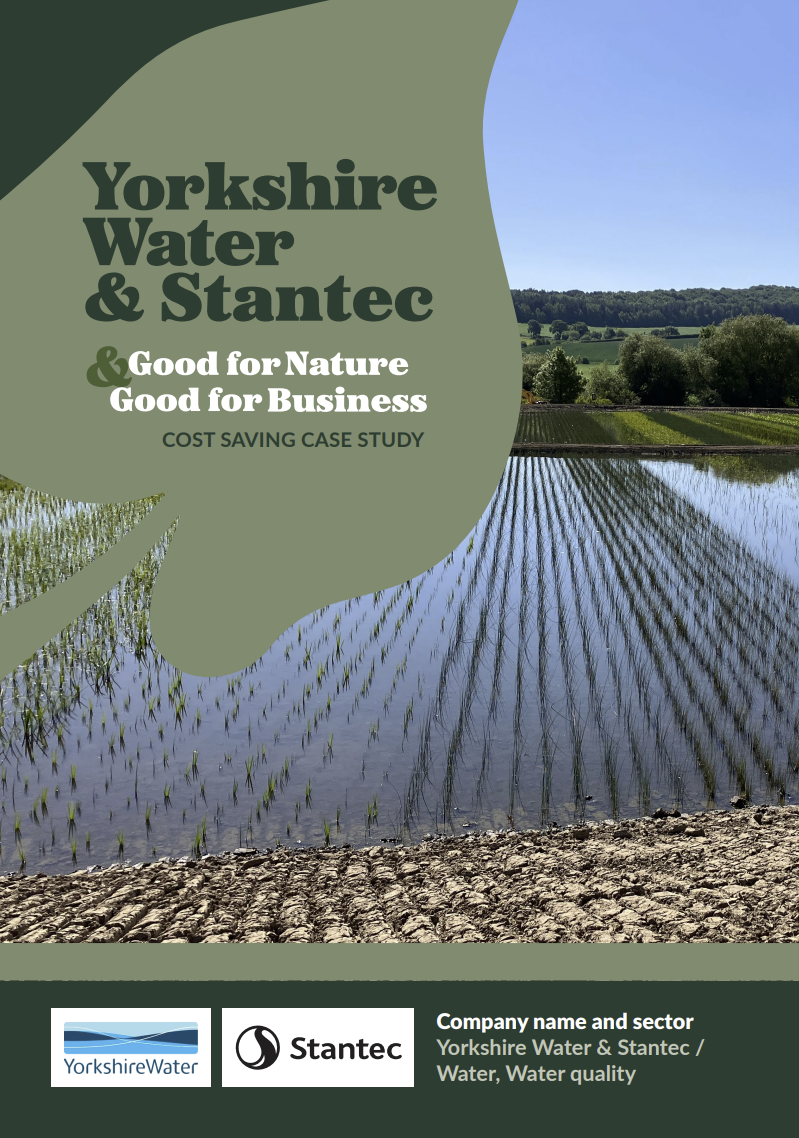
YORKSHIRE WATER AND STANTEC
SECTOR: Water Utilities and Engineering
BUSINESS BENEFITS: Cost Saving
Nature Targets, Sectoral Pathways and Boardroom Implications
History shows that when government sets direction and business powers the scale and speed needed, major economic transitions take place – from post-war reconstruction to the digital revolution, the energy transition, and the COVID response. Markets allocate capital. Businesses build infrastructure, drive innovation and reshape supply chains. When these are aligned with long-term value, they lead powerful transformation.
For nature and the environment, the government has set out its ambitious long-term direction for England in the Environmental Improvement Plan, with legally binding Environment Act targets at its core. On the international stage, the Global Biodiversity Framework calls on actors across society and economies – including the public and private sectors – to work together to transform our relationship with nature. The Nature-Positive Transition Pathways will translate these targets into sector-specific business actions and investment opportunities.
It is increasingly clear that the natural world will become central to how all Boards control costs, manage risk and unlock growth. Each organisation will face distinct challenges and opportunities, requiring new capabilities and careful consideration at Board level. The country’s targets for nature, and the emerging sectoral pathways to reach them, provide a foundation to identify and unlock these opportunities.

These resources have been delivered in collaboration between the Department for Environment, Food and Rural Affairs, the Council for Sustainable Business, Green Finance Institute, the Aldersgate Group and the Institute of Sustainability and Environmental Professionals.