










From principles to practice: embedding Indigenous leadership in nature finance
by

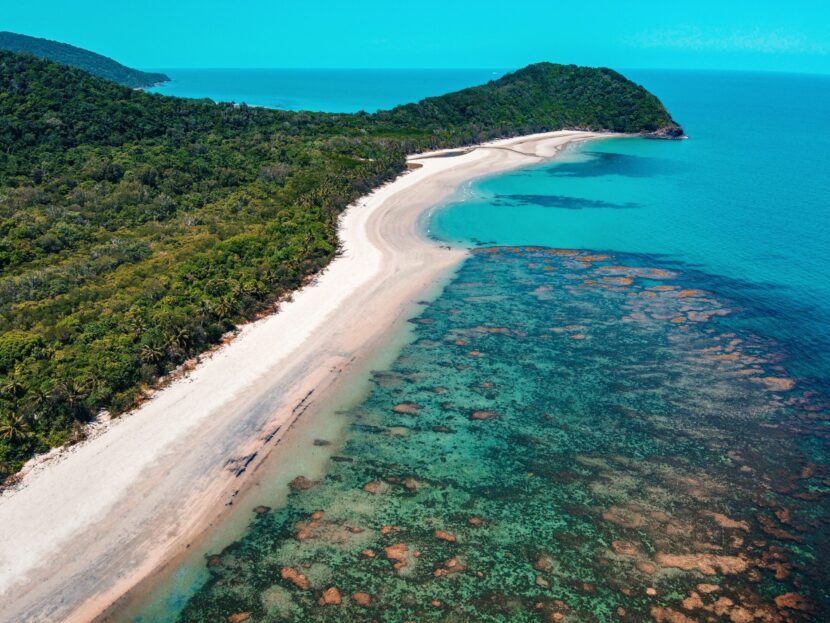
Photo credit: Andrew S Wright
At COP16 in Cali last October, a large milestone was reached with the establishment of the Permanent Subsidiary Body on Indigenous Issues, a long-overdue mechanism meant to strengthen Indigenous voices within the Convention on Biological Diversity (CBD)’s formal negotiating processes (1). This institutional milestone signals a significant shift, from well-intentioned rhetoric to structural inclusion of Indigenous Peoples, ensuring Indigenous and local knowledge and interests are embedded into the design and implementation of nature policy and nature finance solutions.
While global commitments and the development of shared principles and guidance are critical steps, the task now is translating these into practical and innovative revenue and financial models that reflect and respect Indigenous values, governance and ecological knowledge, as well as ensuring economic benefits.
For the emerging market of biodiversity credits, this has been at the forefront of development. The International Advisory Panel on Biodiversity Credits (IAPB) released its Governance and Stewardship Design Guidelines at CBD COP16, alongside the establishment of the Permanent Body, which focuses on securing the rights and ensuring fair benefit sharing for Indigenous Peoples and local communities (2). The Biodiversity Credit Alliance released an updated version of its High-Level Principles to Guide the Biodiversity Credit Market in May 2025, developed in close partnership with International Environmental Guardianship, a member-based organisation of Indigenous Peoples, local communities, and Afro-descendants (3).
These Principles aim to ensure that the legal and customary rights of Indigenous Peoples and local communities are respected at all stages of the development of biodiversity credit projects – even if national governments do not formally recognise those rights. Crucially, they require all projects to align with Free, Prior and Informed Consent (FPIC), which would include ensuring that capacity building and resources in local languages are available to ensure communities genuinely understand the implication of these projects before they are asked to give their consent.
Outside of biodiversity credit markets, how else can we ensure the rights of Indigenous Peoples and communities are included as rightsholders and co-designers with fair compensation?
Revenues for Nature (R4N) continues to identify models where this is happening, showcasing lessons learned and supporting replication and scaling.
This year, R4N published guidebooks on the Living Amazon Mechanism LAM) in Brazil, and the Great Bear Rainforest Project Finance for Permanence (PFP) model in Canada to showcase revenue models that meaningfully engage Indigenous Peoples.
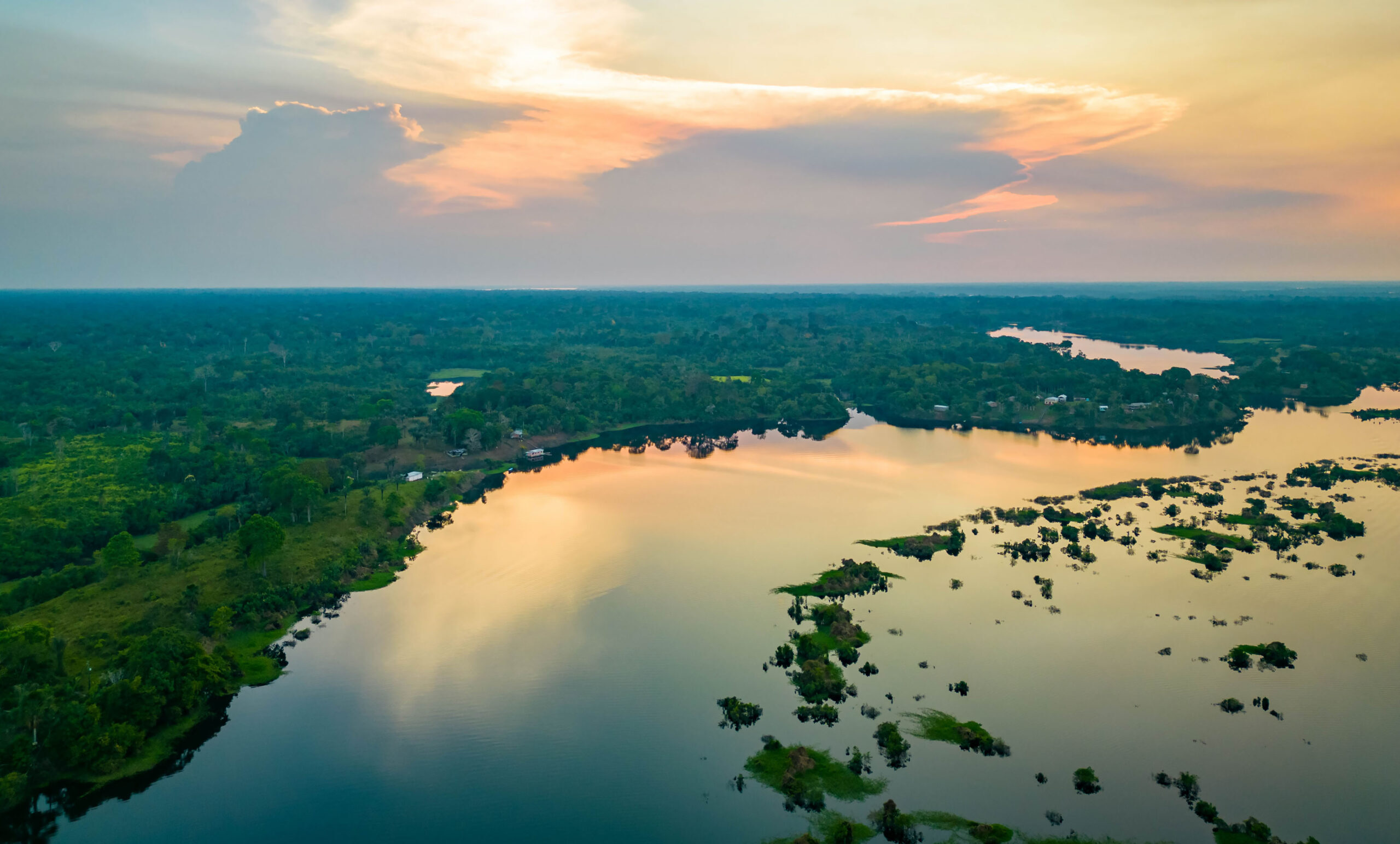
The LAM is a blended finance model that combines affordable credit with tailored technical assistance, co-designed and delivered in partnership with Indigenous Peoples and rural forest communities in Brazil. It enables producers of açaí, Brazil nut, rubber, and other non-timber forest products to build sustainable, nature-friendly businesses in the bioeconomy with cosmetics firm, Natura, as the offtaker. A key lesson from this model is in the transformative power of pairing finance with strong capacity support. Developing a dedicated facility for technical assistance reduced the risk of default on the loans (which to date is zero) and has supported the development of a resilient and skilled set of business owners across 45 communities in the Amazon. R4N is now supporting the scaling of the model into additional Brazilian regions while scoping how the model could be adapted globally.
The Great Bear Rainforest (GBR) PFP is a permanent financing mechanism that delivers conservation funding to First Nations in perpetuity. Key to its success was the recognition of the diversity of perspectives, priorities, governance systems and inter-community dynamics in Indigenous communities, particularly when engaging multiple communities across a shared landscape. In the case of the GBR PFP, Coast Funds, which administers key aspects of the PFP, works closely with all participating First Nations, providing tailored support that allows communities to design conservation initiatives rooted in their own stewardship values and traditional knowledge systems. Another takeaway from the PFP has been the need for impact evaluation frameworks that move beyond narrow ecological metrics. In the GBR PFP, these frameworks have been co-designed with First Nations to measure broader outcomes that are important to communities, such as job creation and the protection of cultural assets, alongside environmental indicators. This multi-dimensional and participatory approach to impact evaluation helps to ensure that projects deliver on diverse outcomes valued by communities.
Despite the progress made in embedding Indigenous and local voices and interests into nature policy and nature financing mechanisms, there is more to be done. Indigenous Peoples around the world still face significant barriers to accessing nature finance and engaging with nature and carbon markets, including lack of secure land tenure, high transaction and legal costs, complex and exclusionary measurement methodologies and inadequate protection against exploitation. As momentum grows ahead of COP30 in Brazil and CBD COP17 in Armenia, focus must remain on ensuring our efforts to protect and restore nature also protects the rights and embeds the knowledge of nature’s stewards.
The Revenues for Nature (R4N) programme, led by the GFI, UNEP FI and UNDP Biofin, is dedicated to highlighting, replicating and scaling models that protect and conserve nature, while delivering benefits to, and respecting the rights and interests of Indigenous Peoples and local communities.
The GFI CEO, Rhian-Mari Thomas, co-chaired the Stewardship Working Group of the International Advisory Panel on Biodiversity Credits (IAPB) alongside Chief Almir Surui of the Paiter Surui people which focused on ensuring that biodiversity credit markets equitably distribute rewards to project developers, sovereigns and Indigenous Peoples and local communities.
This article was originally published in the September edition of Green Finance Quarterly. Read the full publication here.
3.Biodiversity Credit Alliance – Key guidelines for biodiversity credit practitioners (2025)
Other content
08.06.26
Unlocking Finance for Marine and Coastal Nature Recovery in the UK
Marine and coastal restoration projects can deliver significant environmental, social and economic benefits, but many struggle to access the funding and finance needed to...
27.04.26
Revenues for Nature: From Proven Models to Scalable Systems
The GFI Hive's latest report, “Revenues for Nature: From Proven Models to Scalable Systems,” distils insights from 60 revenue models and financing mechanisms across...

16.04.26
Evaluating eligibility for transition finance: recognising the importance of nature
The GFI Hive team worked alongside the Transition Finance Council (TFC) on its Implementation Handbook: How to Apply the Transition Finance Guidelines, and as...

13.04.26
Accelerating High-Integrity Biodiversity Compensation Systems Worldwide
The Green Finance Institute has announced a new global partnership with the Wildlife Conservation Society, the Environmental Policy Innovation Center, Terrasos and UNDP Biofin...

09.04.26
Getting Started with Nature Data and Metrics: How UK Businesses are Moving from Awareness to Action
Metrics and targets are the fourth pillar of the Taskforce on Nature-related Financial Disclosure’s (TNFD) recommended disclosures. Metrics provide a structured, decision-useful basis for...
01.04.26
Revenues for Nature publishes Marine & Coastal Conservation Guidebook
The Revenues for Nature (R4N) Programme has published a guidebook focused on mechanisms that drive private capital into the protection and restoration of coastal...