











Mobilising Investment for Nature
GFI Hive (Nature)
About the GFI Hive
As the GFI Nature Team (GFI Hive), our mission is to increase the role of the private sector in paying for and investing in nature restoration, nature-based solutions and nature-positive outcomes, ensuring that high-integrity environmental and social outcomes are delivered.
Like our colleagues across GFI, we began our work in the UK partnering with the finance sector, government, academia, environmental NGOs and land managers to identify and unlock barriers to this mission. We have since expanded to now work internationally, such as through the Revenues for Nature global initiative with partners UNEP FI and UNDP Biofin.
Programmes

Revenues for Nature (R4N)
R4N is a global project led by the GFI Hive with UNDP Biodiversity Finance Initiative (UNDP BIOFIN) and UNEP Finance Initiative (UNEP FI) that supports the mobilisation of private sector investment to reach the goals of the Global Biodiversity Framework.
The programme identifies, and supports the replication and scale of, models and mechanisms that unlock investment into nature restoration and nature-based solutions. These range from supply chain models through to government led models. We currently work with eight models across the world.
The mission is supported by a global database of models, the publication of guidebooks and case studies, and a community of practice of businesses, governments, financial institutions and NGOs.

Taskforce for Nature Related Financial Disclosures (TNFD)
The GFI Hive convenes the UK’s Consultation Group and supports over 600 UK businesses in navigating nature and the TNFD. The GFI Hive works with adopters of the TNFD recommendations to share learnings and best practices more widely.
In its market engagement, the GFI Hive offers guidance on how UK companies are implementing TNFD, example TNFD reports from UK peers, sector-specific resources and information on how to discuss nature and TNFD at Executive- and Board-level.
Nature-Positive Transition Pathways
Nature-Positive Transition Pathways (NPPs) translate national nature targets into sectoral investment and action. GFI is working with:
- WWF-UK and the UK Centre for Ecology and Hydrology (UKCEH) to develop NPPs for the UK economy.
- WWF-UK, Business for Nature, TNC, and Finance for Biodiversity to scale the model globally.
NPPs are a practical, science-based framework to identify what business action is needed, sector by sector, in order to meet national and global nature targets, and what policies are required to support businesses.
Developing Regional Economic Resilience through Nature-based Solutions
Flooding, water scarcity and pollution are increasingly disrupting regional economies across the UK. The Green Finance Institute is working with businesses to understand these risks and how coordinated investment in Nature‑based Solutions can help build long‑term resilience.
Our detailed work in Norfolk and Suffolk, developed with businesses, supply‑side stakeholders and the public sector, identifies the key barriers to investment and outlines practical steps to unlock scalable co‑investment models in NbS, that are applicable nationwide.
Financing Nature podcast: Latest Series on UK Nature Finance
Financing Nature is a podcast from GFI Hive showcasing practical solutions to mobilising private sector finance into the restoration of nature and nature-based solutions for a greener, more resilient and inclusive global economy.
Hosted by Phoebe Tucker, Senior Nature Associate at the GFI, the latest four-part mini-series focuses on the UK and hosts nature finance experts to talk about what they think is key to mobilizing private investment towards nature recovery, and what industry and policy movements are at play that can influence outcomes.
Latest insights
08.06.26
Unlocking Finance for Marine and Coastal Nature Recovery in the UK
Marine and coastal restoration projects can deliver significant environmental, social and economic benefits, but many struggle to access the funding and finance needed to...
27.04.26
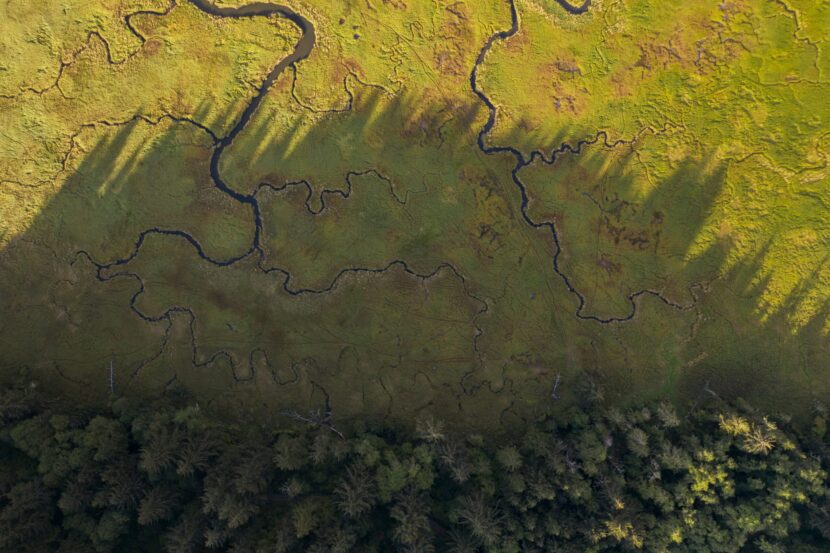
Revenues for Nature: From Proven Models to Scalable Systems
The GFI Hive's latest report, “Revenues for Nature: From Proven Models to Scalable Systems,” distils insights from 60 revenue models and financing mechanisms across...

16.04.26
Evaluating eligibility for transition finance: recognising the importance of nature
The GFI Hive team worked alongside the Transition Finance Council (TFC) on its Implementation Handbook: How to Apply the Transition Finance Guidelines, and as...

13.04.26
Accelerating High-Integrity Biodiversity Compensation Systems Worldwide
The Green Finance Institute has announced a new global partnership with the Wildlife Conservation Society, the Environmental Policy Innovation Center, Terrasos and UNDP Biofin...

09.04.26
Getting Started with Nature Data and Metrics: How UK Businesses are Moving from Awareness to Action
Metrics and targets are the fourth pillar of the Taskforce on Nature-related Financial Disclosure’s (TNFD) recommended disclosures. Metrics provide a structured, decision-useful basis for...
01.04.26
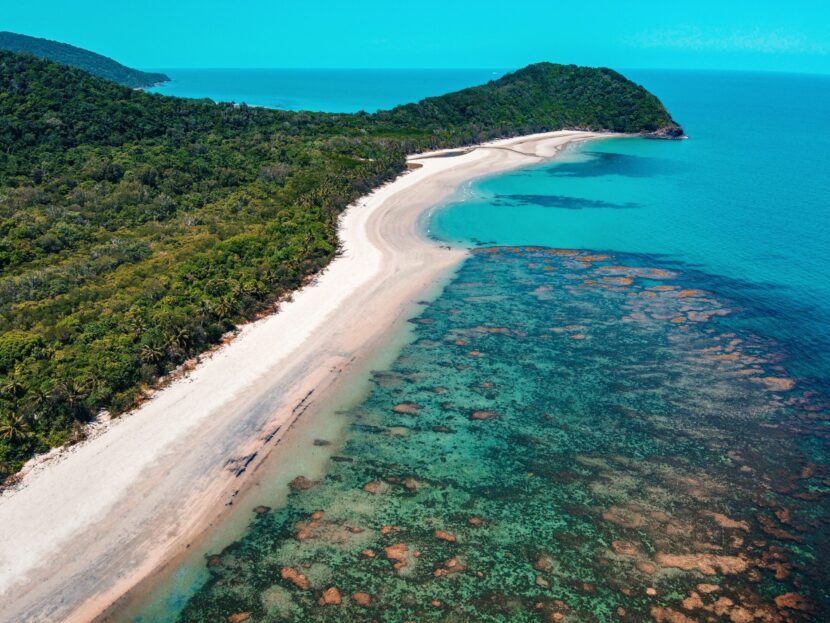
Revenues for Nature publishes Marine & Coastal Conservation Guidebook
The Revenues for Nature (R4N) Programme has published a guidebook focused on mechanisms that drive private capital into the protection and restoration of coastal...
17.12.25
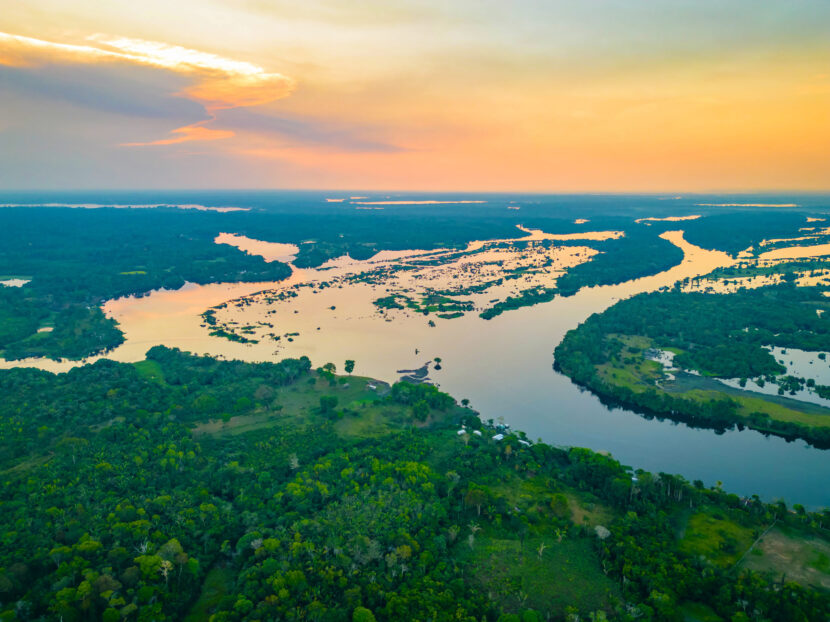
Creating a financial system that rewards nature restoration and impact reduction
All organisations and institutions working towards this target of large-scale traditional investment into nature restoration would benefit by collectively considering how we can address...
28.11.25
Unlocking Finance for Sustainable Supply Chains
The latest R4N Guidebook Nature-based Revenue Models in Agriculture, Food and Fisheries Supply Chains, explores collective corporate action models and demonstrates how Nature-based Solutions...
25.11.25
GFI Hive, Finance Earth & The Crown Estate launch Marine & Coastal Investment Readiness Toolkit Consultation
The Green Finance Institute, in partnership with Finance Earth and The Crown Estate, has today published initial guidance for a new Marine and Coastal...

17.09.25
From risk to resilience: financing nature at scale
As the climate crisis intensifies and ecosystems edge toward tipping points, the private sector is beginning to reckon with a fundamental truth: environmental risk...

17.09.25
TNFD: From disclosure to action
At COP16 in Colombia, the global community came together to discuss how to make the Kunming-Montreal Global Biodiversity Framework a reality.

17.09.25
Catalytic Philanthropy: How a holistic approach could unlock trillions in investment
As individuals, charitable trusts, foundations and endowments review their budgets ahead of 2026, the question, therefore, is: how can we ensure that philanthropic funding...

17.09.25
Regulated nature offsets: the key to unlocking the billions required
Mitigation banking, rooted in laws allowing no net loss of wetlands and streams, has transformed the way private capital supports nature-positive investments.
17.09.25
From principles to practice: embedding Indigenous leadership in nature finance
While global commitments and the development of shared principles and guidance are critical steps, the task now is translating these into practical and innovative...
Explore the GFI Hive Toolkits
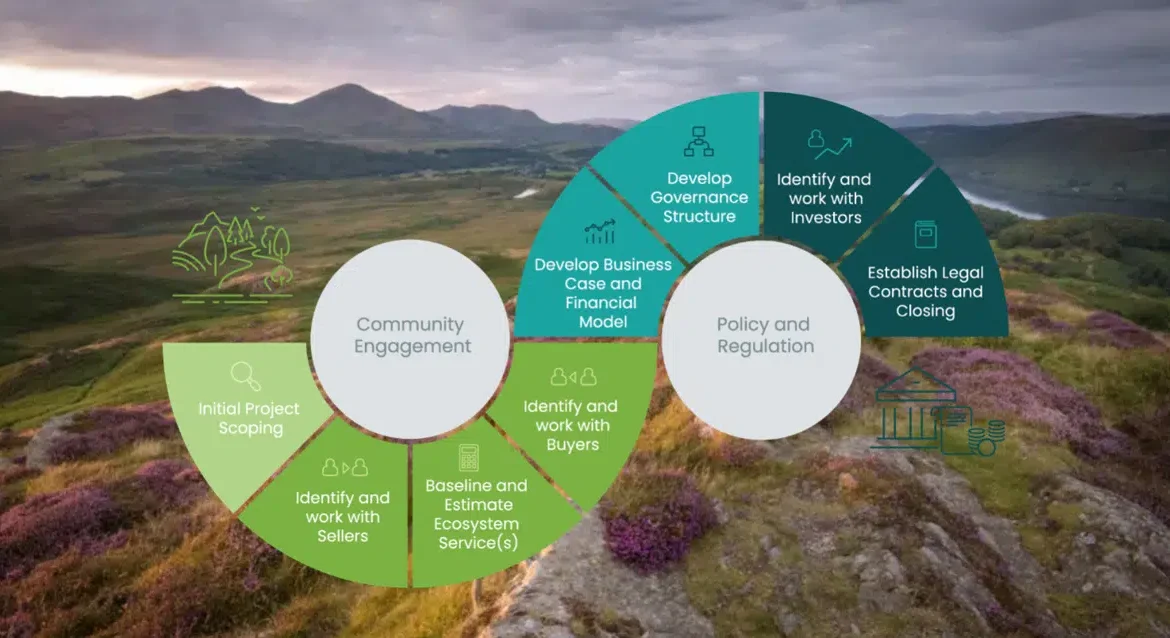
Investment Readiness Toolkit
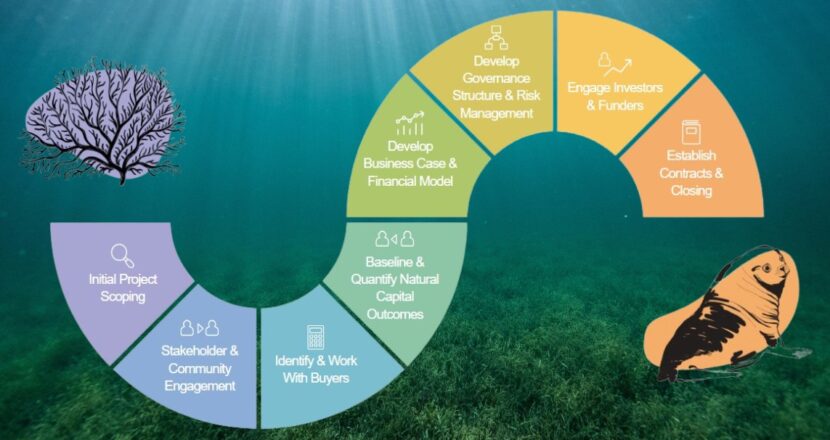
The Investment Readiness Toolkit is an online and interactive framework that takes nature-based project developers and enterprises along the eight milestones of a path to ‘Investment Readiness’, providing key considerations and case studies.
This Toolkit was commissioned by the Esmée Fairbairn Foundation and is intended for any project developer or enterprise interested in restoring or creating natural habitats in the UK with the use of private finance – including farmers, estate owners, charities, local authorities, project developers or aggregators.
Farming Toolkit for Nature Market Opportunities
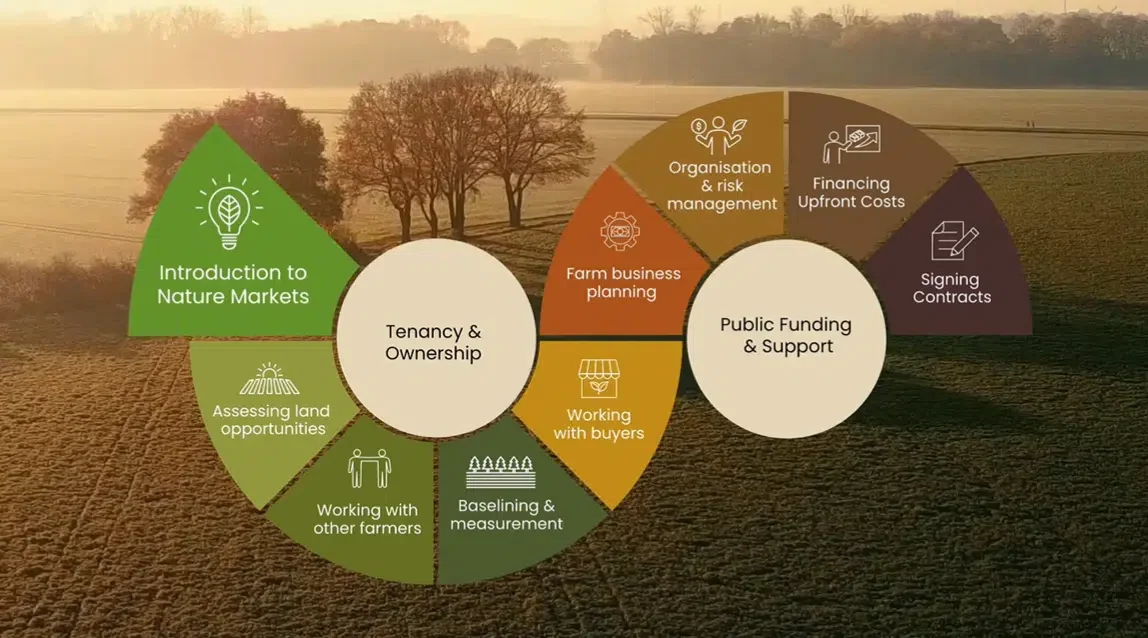
The Farming Toolkit has been commissioned by Defra as a free resource to support England’s farming community in understanding and navigating emerging nature market opportunities. It is a version of the Investment Readiness Toolkit bespoke to farmers.
The Toolkit is divided into two sections – the Introduction to Nature Markets gives an overview of nature markets as a concept and answers commons questions. The Snake provides a step-by-step guide for how nature market projects are developed in practice by farmers.
Marine and Coastal Natural Capital Toolkit
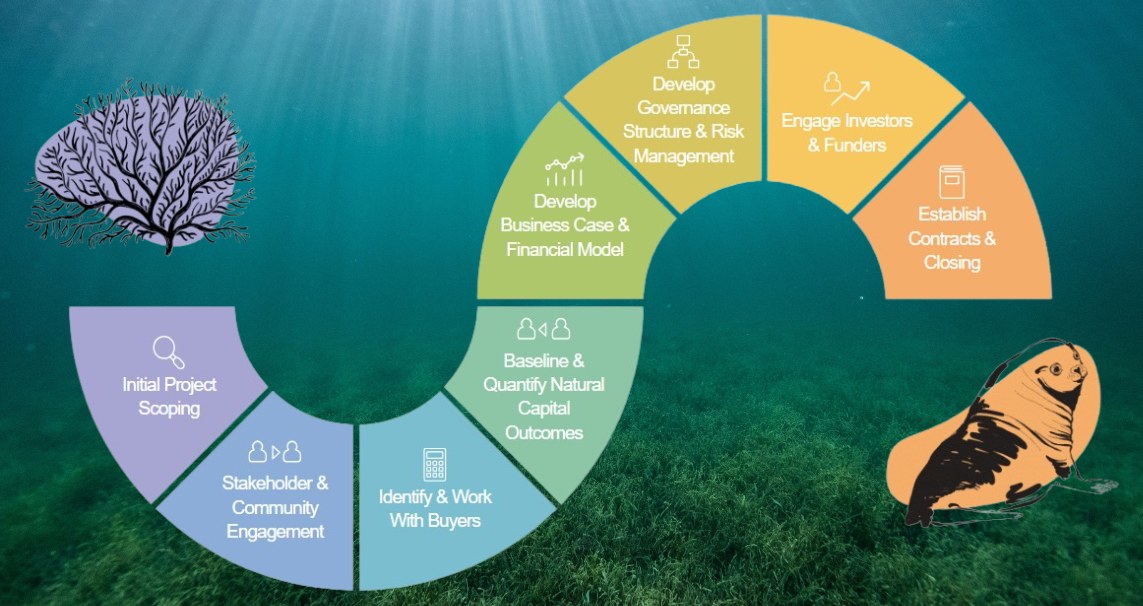
The Marine and Coastal Natural Capital Toolkit has been commissioned by The Crown Estate and delivered by the GFI and Finance Earth, with support from Blue Marine Foundation. The Toolkit aligns with the delivery of High Integrity Marine Natural Capital Markets in the UK: A Roadmap for Action, launched in 2024 by Finance Earth and Pollination.
The Toolkit guides organisations involved in marine and coastal restoration and conservation through eight milestones for developing a high-integrity natural capital projects that can attract sustainable sources of funding. It provides key considerations, tools, resources and UK case studies.
Case studies
24.10.25
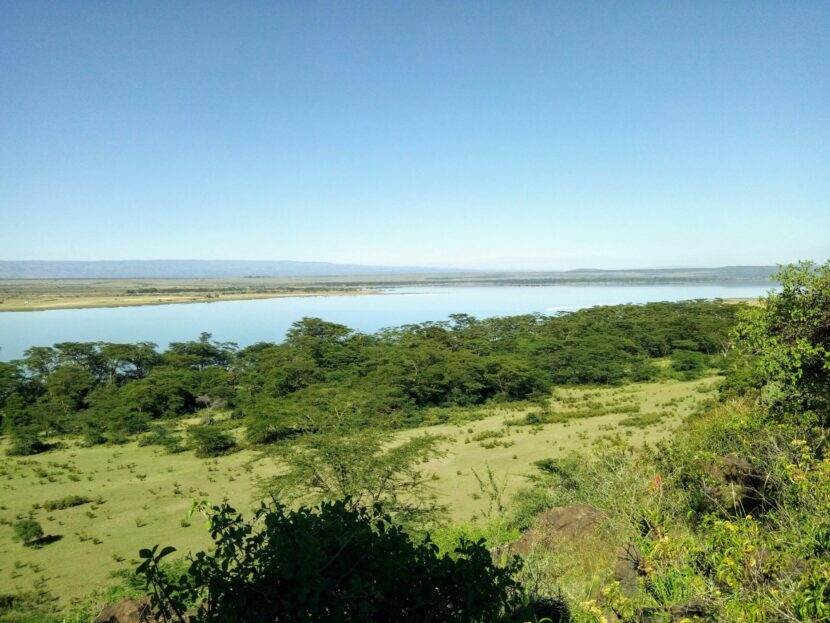
Upper Tana-Nairobi Water Fund
The Upper Tana-Nairobi Water Fund (UTNWF), established in 2015 as Africa’s first water fund, aims to enhance the quality and quantity of water in...
21.10.25
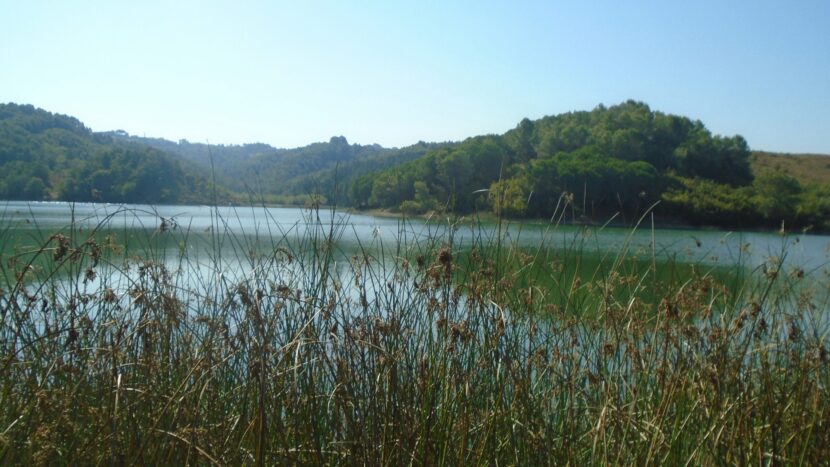
Act4Water Water+ Credits
Act4Water is a voluntary water conservation initiative that enables companies to reduce and compensate for their water footprint by purchasing Positive Water Credits —...

20.10.25
The High Integrity Forest Investment (HIFOR) Initiative
The Wildlife Conservation Society (WCS) launched the High Integrity Forest Investment (HIFOR) Initiative to channel long-term conservation finance to the stewards of high integrity...

10.10.25
Quito Water Fund
Fondo de Protección del Agua (FONAG), was the world’s first water fund, established in 2000 through a 1% environmental surcharge on water bills by...
19.08.25
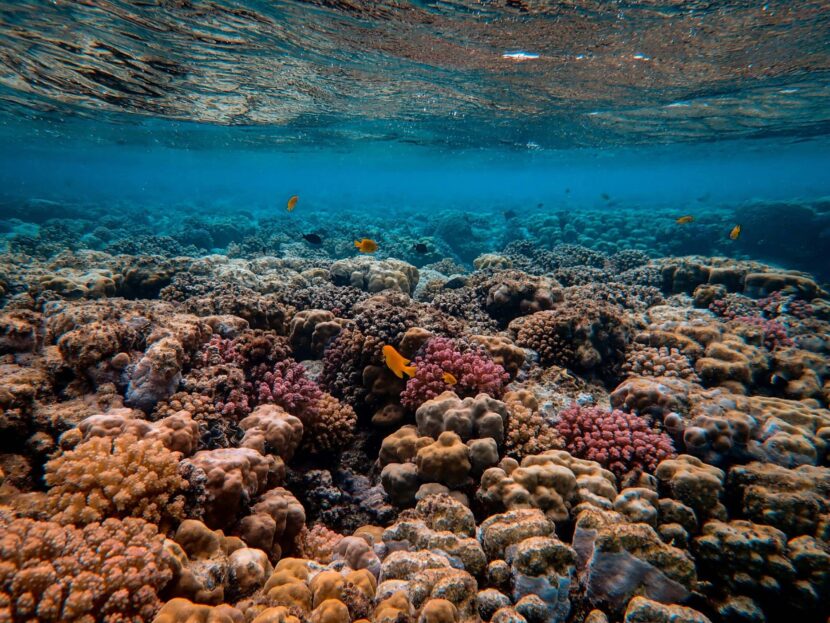
Blue Alliance – Marine Protected Areas
Founded in 2015, Blue Alliance is a not-for-profit that supports marine conservation by developing sustainable financing solutions for large Marine Protected Areas (MPAs). Blue...
28.05.25
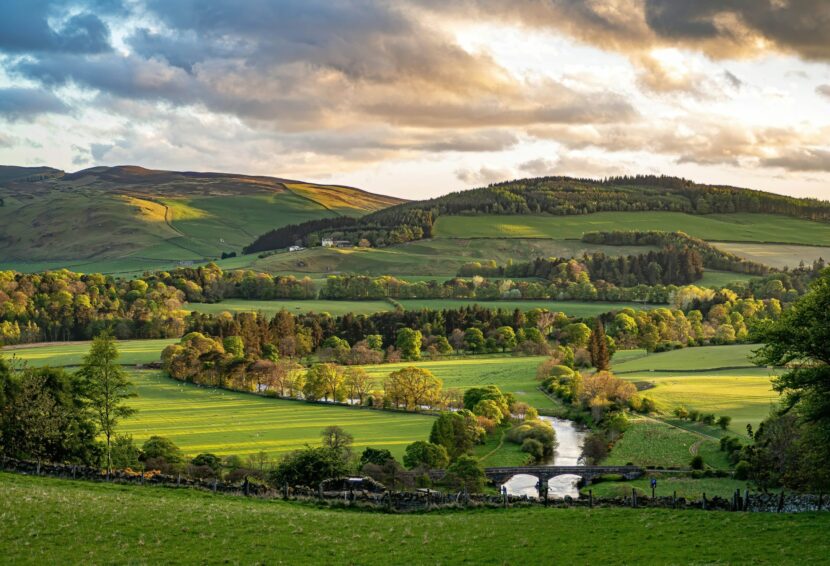
Landscape Enterprise Networks (LENs)
Landscape Enterprise Networks (LENs) are an initiative launched through a collaboration between Nestlé and 3keel, with additional support from Diageo and PepsiCo, to promote...
25.04.25
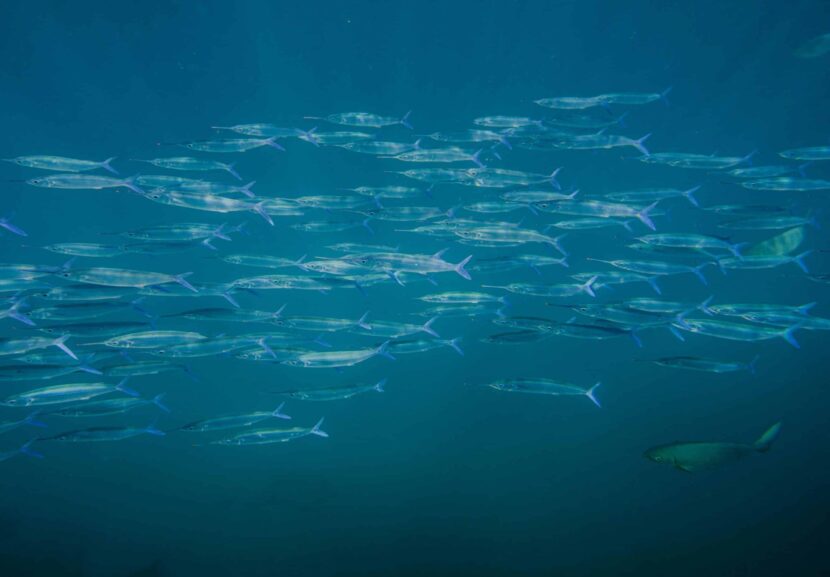
The Fisheries Improvement Fund
The Fisheries Improvement Fund (FIF), established in 2023 is a multi-stakeholder supply chain financing model to fund fishery improvements across the world. Designed together...

27.07.24
Tikehau Capital’s Regenerative Agriculture Strategy
Tikehau Investment Management launched its Regenerative Agriculture Strategy in 2022, to scale regenerative agriculture practices globally. The strategy invests in corporates that have a...
21.10.24
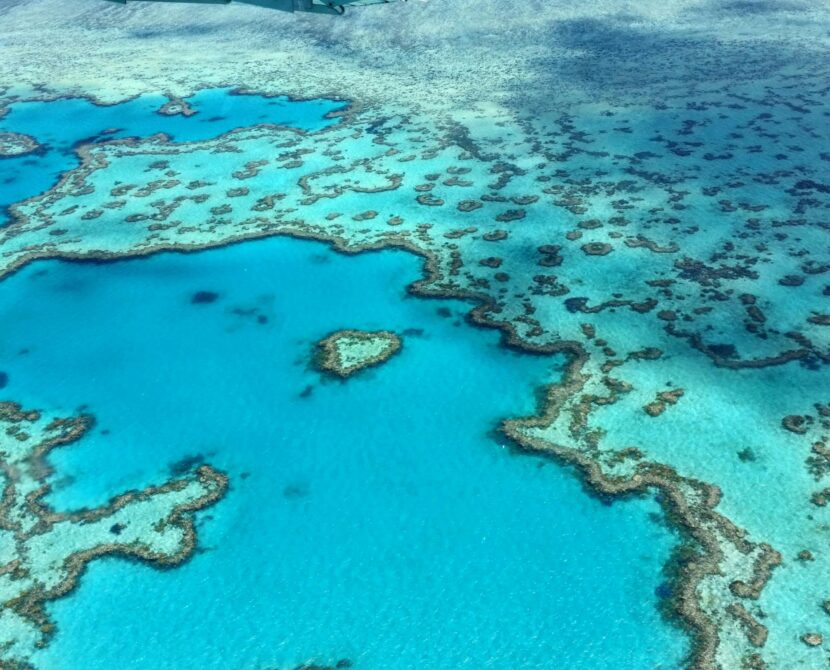
The Reef Credit Scheme
The Reef Credit Scheme is a voluntary nature market that was designed to improve water quality across the Great Barrier Reef catchment in Queensland,...

26.07.24
Federated Hermes Biodiversity Equity Strategy
The Federated Hermes Biodiversity Equity Strategy is an Article 9 equity fund designed to achieve long-term, risk-adjusted returns by investing in a portfolio of...

09.10.23
Oxygen Conservation
Oxygen Conservation is a UK-based company that invests in land to protect and restore natural capital. In 2023, Oxygen Conservation acquired two estates in...
29.05.22
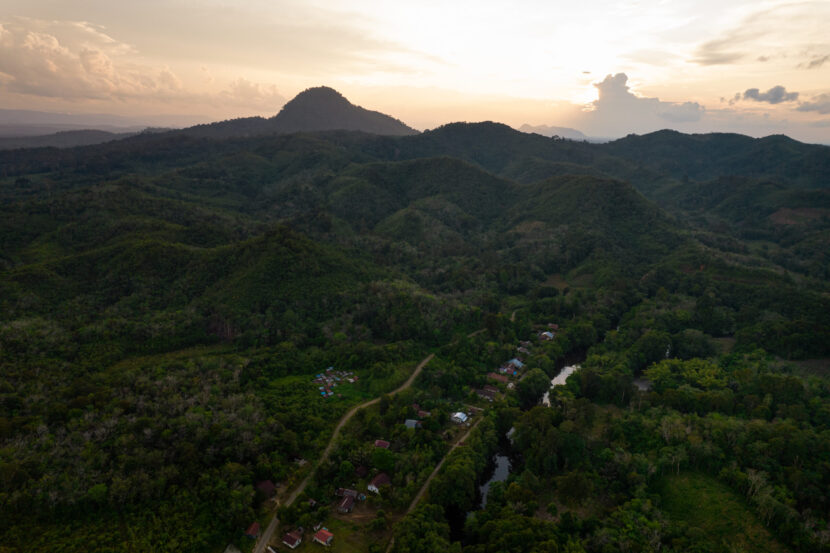
Rimba Collective
The Rimba Collective is a pioneering forest conservation and restoration financing mechanism led by long-term committed supply chain actors that purchase agricultural commodities, including...
17.10.24
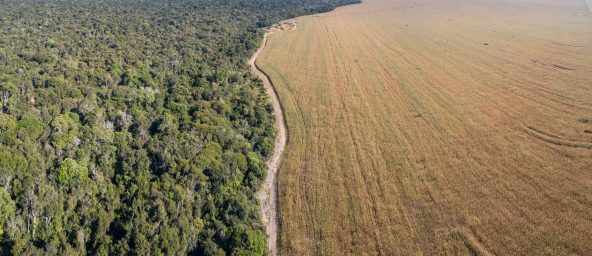
Responsible Commodities Facility
The Responsible Commodities Facility provides financial incentives to produce soy in existing cleared and degraded lands in order to discourage further expansion of agricultural...
21.10.24
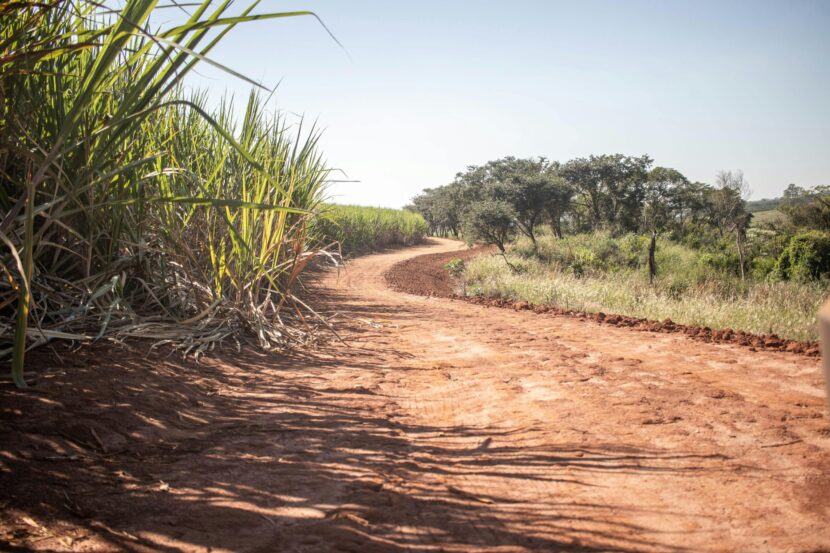
Kilombero Sugar Company
The African Wildlife Foundation (AWF) has partnered with Kilombero Sugar Company, the largest sugar producer in Tanzania to work with sugarcane farmers on climate-smart...
30.09.22
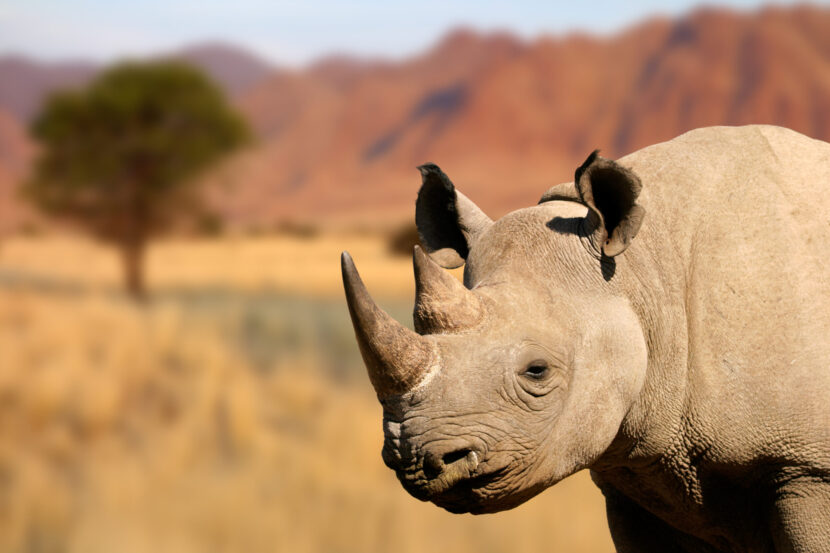
The Rhino Bond
The world’s first Wildlife Conservation Bond – also known as ‘the Rhino Bond’ – has been issued by the World Bank to help increase...
10.08.22
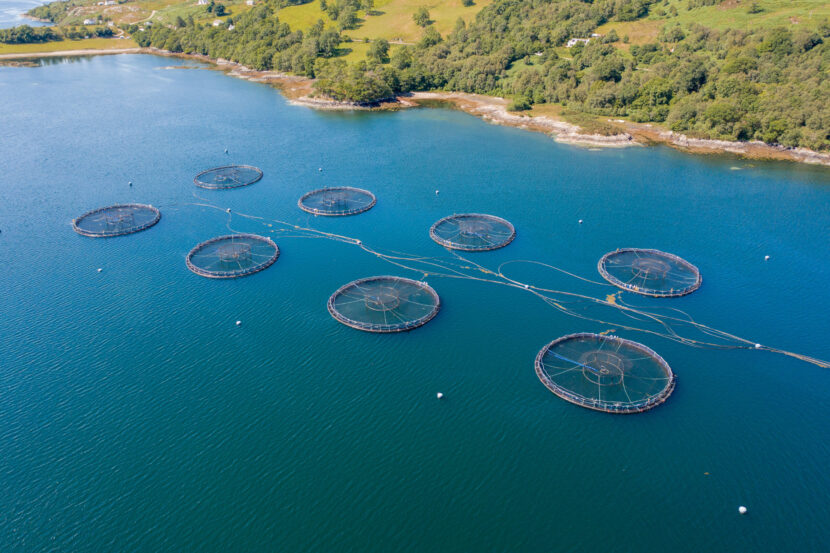
ASN Biodiversity Fund
The ASN Biodiversity Fund is the first listed fund for natural capital that uses investment from the retail sector. It targets large funds and...
18.08.22
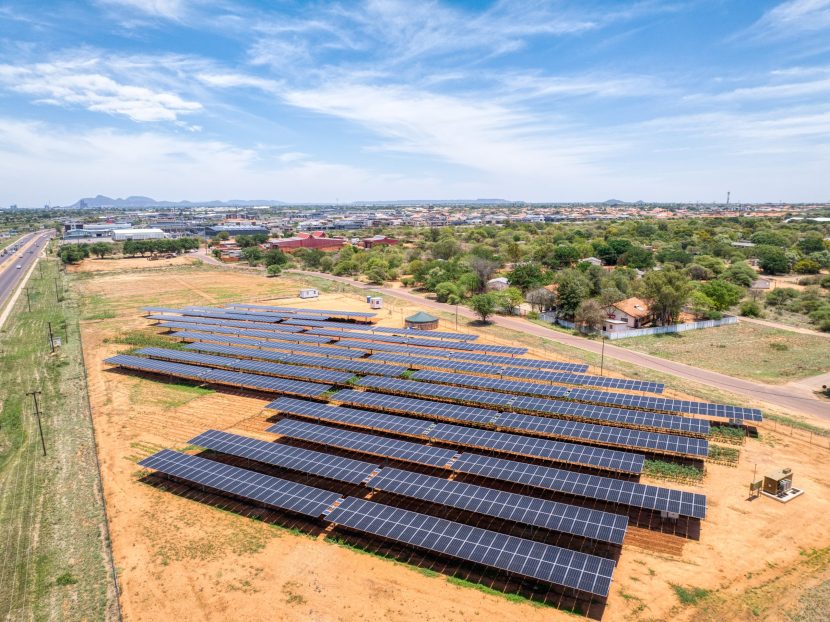
eco.business Fund
The eco.business Fund provides financing and technical assistance to both businesses and their financial institutions that are committed to driving sustainable practices in is...
31.08.22
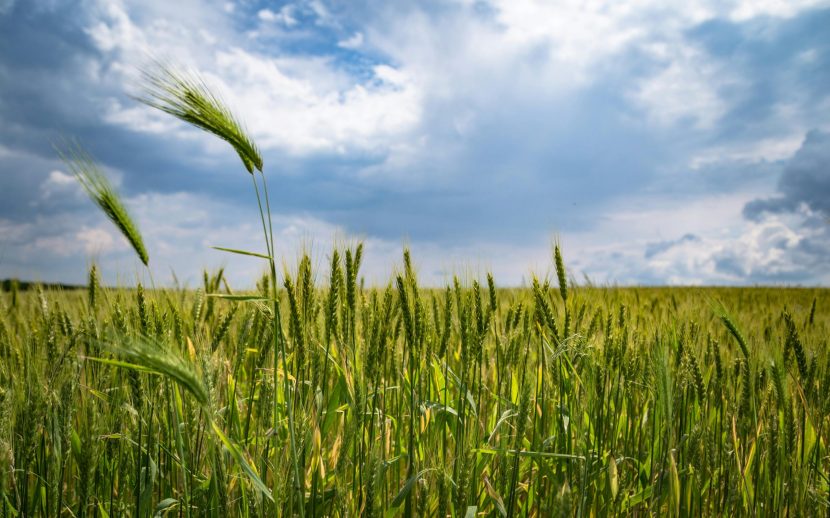
Farmland LP
Farmland LP owns and manages over $200 million in US farmland assets. It buys conventional farmland and converts it to organic and sustainably managed...
29.07.22
Highlands Rewilding
Highlands Rewilding aims to rewild estates in the Scottish Highlands to restore nature, improve biodiversity and carbon sequestration, and work with local communities. Its...
09.08.22
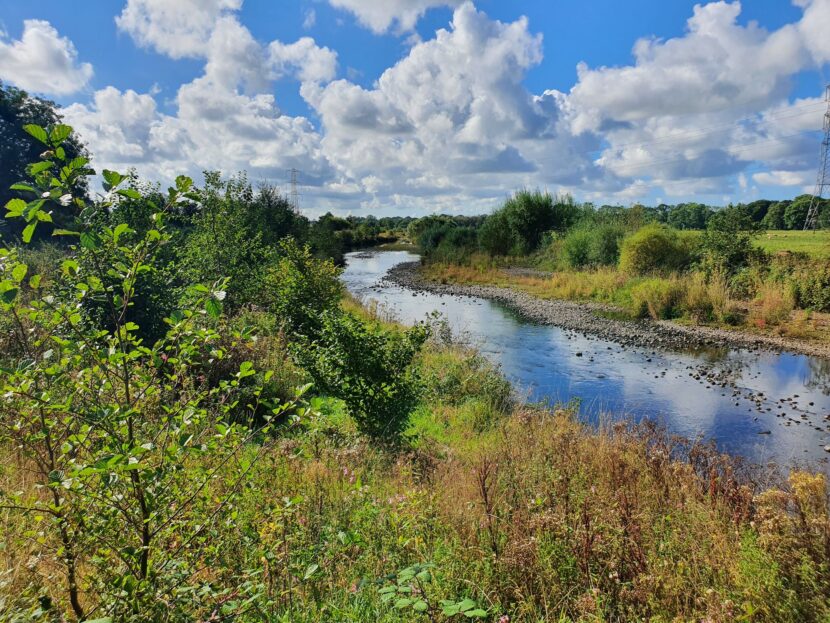
The Wyre Catchment Natural Flood Management Project
The Wyre Catchment Natural Flood Management Project will deliver more than 1,000 targeted measures to store, slow and intercept flood water and prevent peak...

14.07.21
Landscape Resilience Fund
The Landscape Resilience Fund (LRF) was launched in June 2021 to target climate adaptation in developing countries. It supports small and medium-sized enterprises (SMEs)...

26.04.22
Iroquois Valley Farmland REIT
Iroquois Valley Farmland REIT provides young farmers in the US with land security by buying farmland and leasing the land to them at affordable...

29.06.22
Tropical Asia Forest Fund 2
The Tropical Asia Forest Fund 2 (TAFF 2) aims to capitalise on the long-term investment opportunities in sustainable plantation forestry, demonstrating how to deliver...
22.10.21
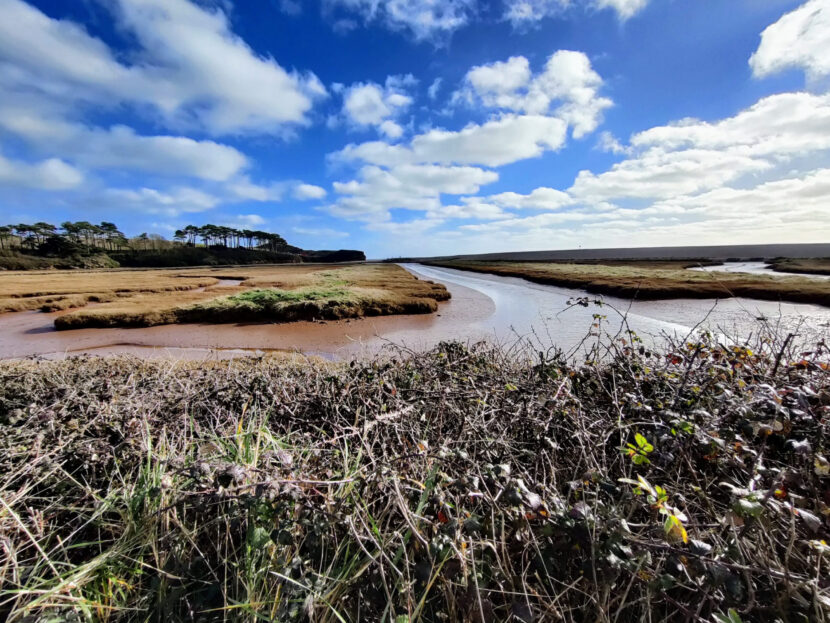
DC Water Environmental Impact Bond
Like many cities with aging infrastructure, Washington DC relies on a system that combines stormwater and sanitary sewage. This used to result in an...
22.10.21
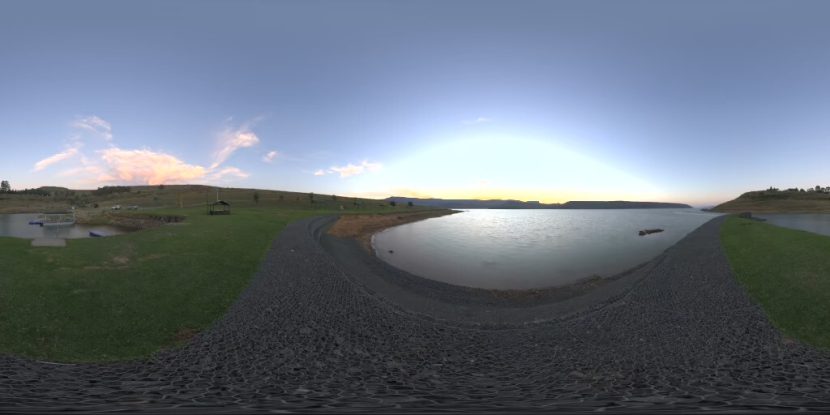
DC Stormwater Retention Credit Trading Programme
Washington DC faces considerable challenges when it comes to stormwater runoff. One is that 43% of the District’s land is impervious, which means that...
Useful resources
View our library of third party resources, including links to websites, reports and articles that discuss nature and finance. These are regularly updated and shared in the monthly GFI Hive newsletter.
Community Engagement, Nature and Financial Materiality
Date published: June 2026
This report by Shift reviews evidence of the financial effects of engagement with indigenous peoples and local communities on nature-related issues. The evidence review found that the quality of community engagement helps determine whether nature-related dependencies or impacts become sources of trust and collaboration or of opposition and loss. Therefore, information on the quality of company-community engagement is financially material, and decision-useful for investors and others.The report has been published alongside a compendium of 24 case studies.
Too Big to Fail: critical natural ecosystems and macro-critical infrastructure
Date published: June 2026
This report authored by Earth Capital Nexus partnership (LSE and the Grantham Research Institut) argues that certain ecosystems – such as forests, rivers and biodiversity-rich landscapes – are so essential to economic stability and resilience that they should be treated as “critical natural systems”. It introduces the concept of Global Systemically Important Natural Systems (G-SINS), highlighting the need for governments and financial institutions to better recognise and manage nature-related risks within economic and financial decision-making.
Gaining Ground: State of Private Investment into Nature 2026
Date published: June 2026
This report, published by Forest Trends and TNC, represents an update of its initial 2016 report on the State of Private Investment in Conservation, one decade prior. This report provides a broad view of the full spectrum of return-seeking capital providers and nature investment categories. It finds that private investment in nature has grown 5X over the past decade, and the data captured in this report reflects a market that has expanded in both scale and complexity.

The Economic Case for Nature
Date published: June 2026
This report, authored by Eftec and commissioned by the RSPB, puts forward the case for addressing the UK’s ‘nature finance gap’ by spending £56bn over the next 10 years to address historic underinvestment. The underlying research finds that investing in nature could create 80,000 new jobs and directly benefit the UK economy by £80bn over the next decade – equivalent to a 15% increase in the size of the country’s construction sector.